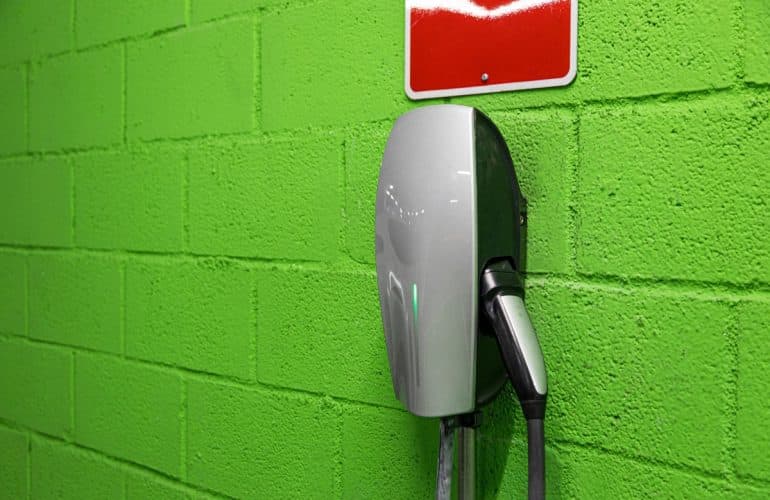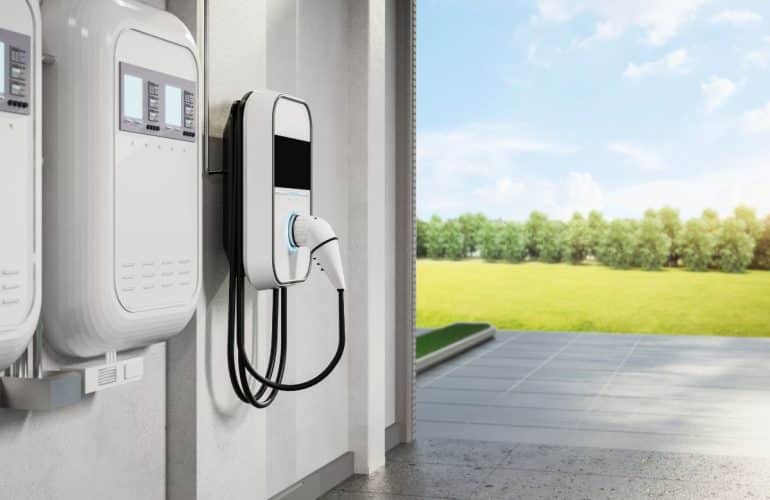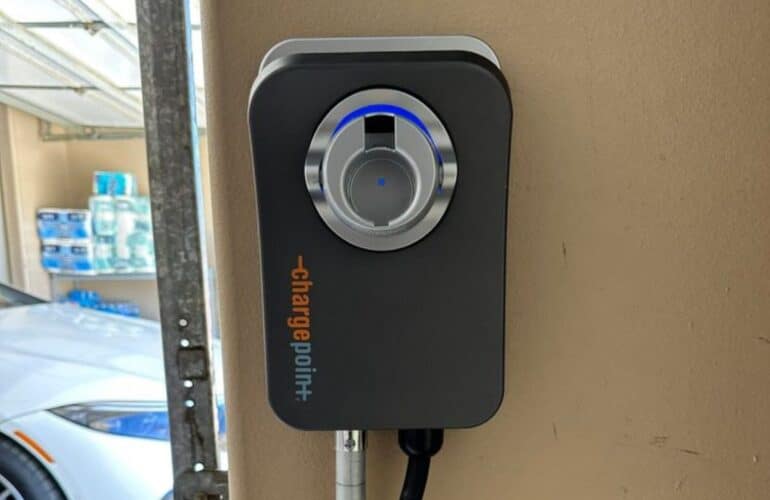
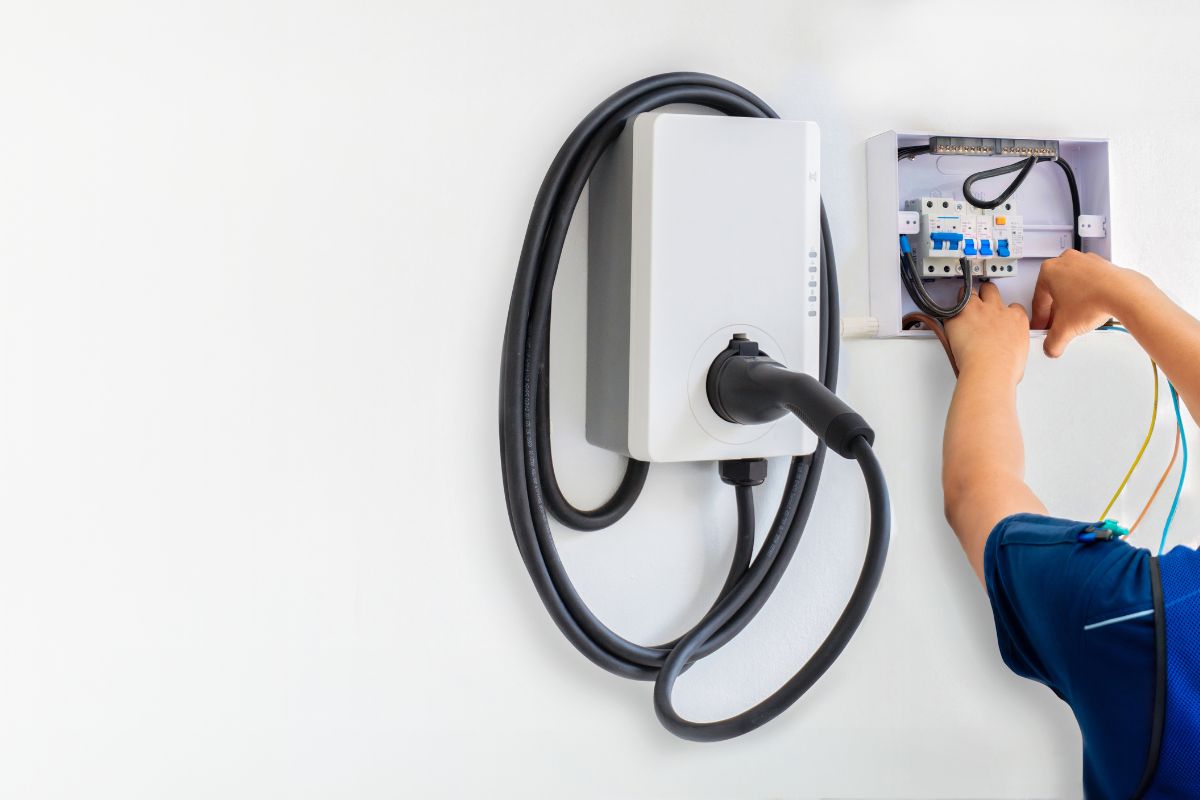
Electric vehicles have changed what “normal” electricity use looks like for a home or small business. A Level 2 charger is not a small appliance. It can pull a sustained load for hours, multiple nights per week, and that consistent demand exposes weaknesses in wiring, breaker sizing, panel capacity, and installation quality far faster than most other household devices.
That is why EV charger installs can go wrong even when the equipment is reputable. The most expensive problems rarely come from the charger itself. They come from shortcuts in electrical planning, poor load calculations, improper conductor and breaker sizing, incorrect placement decisions, and permit or inspection mistakes that force rework. If you are considering EV Charging Solutions, this guide breaks down the most common EV charger installation mistakes, how to avoid them, and what a professional installation should include. We will also cover when an Electrical System Upgrade makes sense and how a Backup Power System can fit into a modern home energy plan.
Why EV Charging Installs Fail In The Real World
Many EV charger problems are predictable. They show up when an installer treats the job like “adding an outlet,” when the electrical system is already close to its safe capacity, or when the installation is designed around today’s car rather than the next five to ten years of household load growth. A home might charge one EV today, then add a second EV, an electric water heater, or a new HVAC system later. If the charger install is not designed with that reality in mind, you can end up paying twice for labor, permits, and equipment changes.
Another reason mistakes are common is that homeowners understandably focus on the charger brand and charge speed, while the actual success of the project depends on invisible details: circuit sizing, wire routing, torque values at terminations, grounding and bonding, correct breaker type, labeling, and inspection readiness. The good news is that most mistakes are avoidable when the contractor follows a structured process and communicates clearly.
Mistake 1: Skipping A Proper Load Calculation And Capacity Review
One of the most common and most costly mistakes is installing a Level 2 charger without verifying that the main service and panel have enough capacity for the new continuous load. EV charging is typically treated as a sustained demand, which means it must be sized and evaluated differently from a device that runs in short bursts. If the electrical system is already heavily loaded, adding a charger can lead to nuisance trips, overheating at connections, and a failed inspection that forces a redesign.
A proper capacity review considers your service size, panel rating, available breaker space, existing large loads, and future loads. It also looks at your actual lifestyle. Homes with long daily commutes, multiple drivers, or high evening usage patterns can push charging into peak hours and increase the likelihood of overload conditions if the system is not planned correctly.
How To Avoid It
Require a documented load evaluation and a clear explanation of what it means for your installation options. If your panel or service is limited, a qualified installer will discuss pathways such as a service upgrade, a subpanel strategy, or load management solutions. If you need more capacity, that is where JJ Energy’s Electrical System Upgrade work becomes a practical part of the project rather than a surprise change order.
Mistake 2: Choosing The Wrong Charger Output For The Home’s Electrical Reality
Homeowners often aim for the fastest charging rate available, but “bigger” is not always better if your electrical system cannot support it safely. Some installations only need a moderate charge rate to fully recharge overnight. Others benefit from higher output, but only if the panel capacity, wire size, and breaker selection are engineered for it. When output decisions are made without matching the home’s infrastructure, you can end up with a charger that must be de-rated, a circuit that runs too hot, or an installation that fails inspection.
Another common problem is selecting a charger that is not aligned with the vehicle’s onboard charging capability. If the car cannot accept more than a certain rate, paying for a higher-output setup may add cost without adding real-world benefit.
How To Avoid It
Choose a charge rate based on overnight needs, driving patterns, and panel constraints. A professional installer will explain the practical difference between charge rates and help you pick a solution that is safe, cost-effective, and future-ready.
Mistake 3: Installing Without A Dedicated Circuit Or Correct Breaker Strategy
Level 2 charging should almost always be on a dedicated circuit. Trying to share a circuit, use an existing dryer outlet without proper evaluation, or “tap” into nearby wiring can create a dangerous situation. Even if it appears to work initially, long charging sessions can overheat conductors or stress connections in ways that are not obvious until damage occurs.
Breaker selection mistakes can be just as problematic. Using the wrong breaker type, incorrect amperage, or ignoring manufacturer requirements can lead to nuisance trips or unsafe operation. In some cases, certain chargers require specific protection approaches depending on their design and internal ground-fault protection features.
How To Avoid It
Insist on a dedicated circuit designed specifically for the charger’s continuous load profile. The installer should provide a clear circuit plan, confirm breaker compatibility, and ensure all labeling and disconnect requirements are met.
Mistake 4: Using Incorrect Wire Size, Conduit, Or Temperature Assumptions
EV charging is a long-duration load. That makes conductor sizing and installation methods critical. Undersized wire, inappropriate conductor type, poor conduit routing, or ignoring environmental temperature factors can cause voltage drop, heat buildup, and premature equipment issues. These problems sometimes surface as “the charger is slow” or “the charger randomly stops,” when the underlying issue is electrical design and installation quality.
Garages, exterior runs, and attic pathways can introduce heat exposure that changes how wiring should be sized. Long runs can also introduce voltage drop that affects charging efficiency and stability. Cutting corners on materials and sizing might reduce the install price upfront, but it increases risk and can lead to costly rework.
How To Avoid It
Ask your installer to explain the conductor sizing approach, routing plan, and how they account for run length and environmental conditions. A professional contractor will be comfortable walking you through these decisions without vague answers.

Mistake 5: Poor Placement That Creates Daily Friction Or Safety Hazards
Charger placement mistakes are more common than people expect. The charger may be mounted where the cable cannot comfortably reach the vehicle’s charge port, where the cable becomes a tripping hazard, or where the vehicle must be parked in an awkward position every time. Over time, that friction causes homeowners to avoid using the charger as intended, which defeats the purpose of the installation.
Placement also affects safety. Mounting too close to impact zones, placing equipment in areas prone to water intrusion, or routing cable across walkways introduces avoidable risk. Outdoor installations require even more consideration: weather exposure, physical protection, and cable management matter.
How To Avoid It
Plan placement around the real way you park and move through the space. A good installer will ask which side your charge port is on, how you typically enter the garage, and whether you anticipate parking a second EV in the future. They will also propose cable management so the setup stays clean and safe.
Mistake 6: Hardwiring Vs Plug-In Decisions Made For The Wrong Reasons
Some homeowners choose a plug-in charger because it feels more flexible, while others choose hardwiring because it seems more “professional.” The right answer depends on your electrical design, desired output, code requirements, and how you plan to use the charger. Plug-in configurations can be appropriate in certain cases, but they must be installed correctly with the right receptacle type, correct circuit design, and a safe mounting approach that avoids loose connections or overheating.
Hardwired installs often provide a more permanent and robust setup, especially for higher-output charging and long-term reliability. However, a hardwired install still needs a clean disconnect approach and inspection-ready labeling where required.
How To Avoid It
Choose the configuration based on performance needs and safety, not convenience alone. A professional installer should clearly explain the tradeoffs and align the choice with your long-term plan.
Mistake 7: Cutting Corners On Permits, Inspections, And Documentation
Skipping permits is a high-risk mistake. It can create problems with resale, insurance, and liability, and it can also lead to forced removal if a future inspection flags the work. In many jurisdictions, EV chargers require permitting and inspection because the project involves a significant electrical load and must comply with code requirements.
Another common issue is incomplete documentation. Homeowners may not receive circuit labeling updates, equipment manuals, or clear guidance on how the system was installed. That becomes a problem later when troubleshooting is needed or when a future electrician evaluates your system.
How To Avoid It
Work with a contractor who manages the permit and inspection process from start to finish and provides a clean closeout package. That package should include equipment information, basic operating guidance, and a clear record of what was installed and where.
Mistake 8: Ignoring Panel Limitations And Delaying Necessary Upgrades
Some homes have panels that are full, outdated, or not well-suited for modern high-demand loads. Trying to “make it work” without addressing the underlying limitations can lead to a patchwork solution that fails inspection or becomes unreliable. Common examples include crowded panels with no breaker space, older equipment with questionable condition, or panels that cannot support additional breaker additions safely.
Homeowners sometimes delay upgrades to reduce upfront cost, but then pay more later when they add solar, a second EV, or a battery. Planning upgrades strategically can reduce total disruption and create a cleaner long-term electrical architecture.
How To Avoid It
Evaluate your panel honestly and build a plan that includes the next likely upgrades you will make. If an Electrical System Upgrade is recommended, it should come with a clear explanation of what it solves, what it enables, and how it supports future expansion.
Mistake 9: Not Planning For Solar Integration And Off-Peak Charging
Many EV owners plan to add solar later, or they already have solar and want charging to align with production. A common mistake is installing an EV charger without thinking about when the EV will charge and how that interacts with your rate plan and solar generation. If your EV charges mostly in the evening, you may miss the value of daytime solar production unless you use smart scheduling, load shifting, or storage.
When your EV charging strategy is aligned with solar, the benefits can be significant. It can reduce grid dependence, improve self-consumption, and help manage peak-hour costs. If you are exploring solar in parallel, it helps to coordinate your EV plan with Solar Panel Installation design discussions rather than treating them as separate projects.
How To Avoid It
Build a charging plan around your utility rate structure and your solar goals. Your installer should discuss smart charging schedules and how to avoid charging in the most expensive windows when possible.
Mistake 10: Forgetting That Backup Power Changes The EV Charging Conversation
A backup power plan can influence how you approach EV charging. Some homeowners want charging available during outages, while others simply want to preserve backup capacity for essentials like refrigeration, lighting, medical devices, and internet. If you add a battery system later, you may want certain circuits prioritized or excluded. EV charging is a large load, and most backup systems are not designed to support full-speed charging without careful planning and significant storage capacity.
That does not mean EV charging and backup power cannot work together. It means the system should be designed intentionally. A well-designed Backup Power System plan clarifies which loads are supported, how long they can run, and whether EV charging is part of the backup goal or intentionally excluded to protect runtime for essential circuits.
How To Avoid It
Decide what “backup power” means for your household before you install equipment that locks you into a certain electrical layout. If you expect future storage, ask your installer how today’s EV charger installation supports that future design.
What A Professional EV Charger Installation Should Include
A high-quality EV charger installation is a process, not a quick hardware mount. It should start with a capacity review, proceed through a clear design, and end with a clean inspection and a safe, user-friendly setup. A professional job also anticipates future needs, including a second EV, solar integration, and backup power planning.
Pre-Install Planning
The planning phase should confirm your goals, evaluate service capacity, map routing paths, and determine the most practical charger location. It should also establish whether the project requires upgrades or load management.
Installation And Quality Control
The installation phase should include properly sized conductors, code-compliant breaker and protection choices, clean conduit routing, secure mounting, and safe cable management. The work should be neat and serviceable so future electricians can understand it quickly.
Permitting, Inspection, And Handoff
The closeout should include permits and inspection completion, updated labeling, basic operating guidance, and a walkthrough of how to use scheduling features to reduce costs and improve convenience.
Conclusion
Most EV charger installation mistakes come down to one theme: treating a high-load, long-duration electrical device like a simple add-on. The safest and most cost-effective approach is a structured installation that starts with a realistic capacity review, uses correct sizing and materials, follows permitting and inspection requirements, and places the equipment where it is easy to use every day. When EV charging is planned as part of a broader home energy strategy, it also becomes easier to integrate solar, schedule charging to reduce costs, and design future-ready electrical capacity.
Contact JJ Energy Inc
JJ Energy Inc provides Solar Panel Installation, EV Charging Solutions, Electrical System Upgrade services, and Backup Power System solutions designed for safe performance and long-term reliability.
Call JJ Energy Inc at (760) 552-3772 to schedule a consultation, or request a quote here: Get A Quote.