Choosing a Tesla Powerwall installer is an important part of planning a home battery backup system. The equipment itself matters, but the quality of the system design, electrical work, permitting, configuration, and installation can have just as much influence on how well the finished system performs.
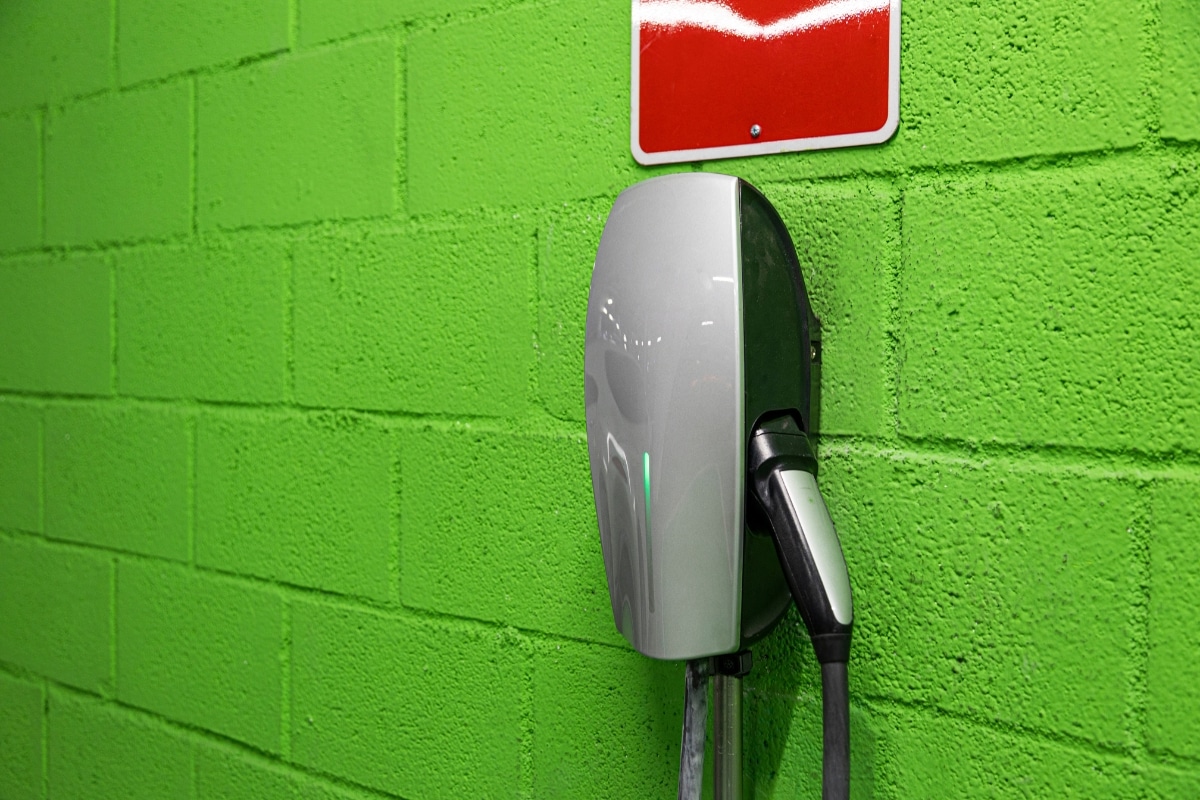
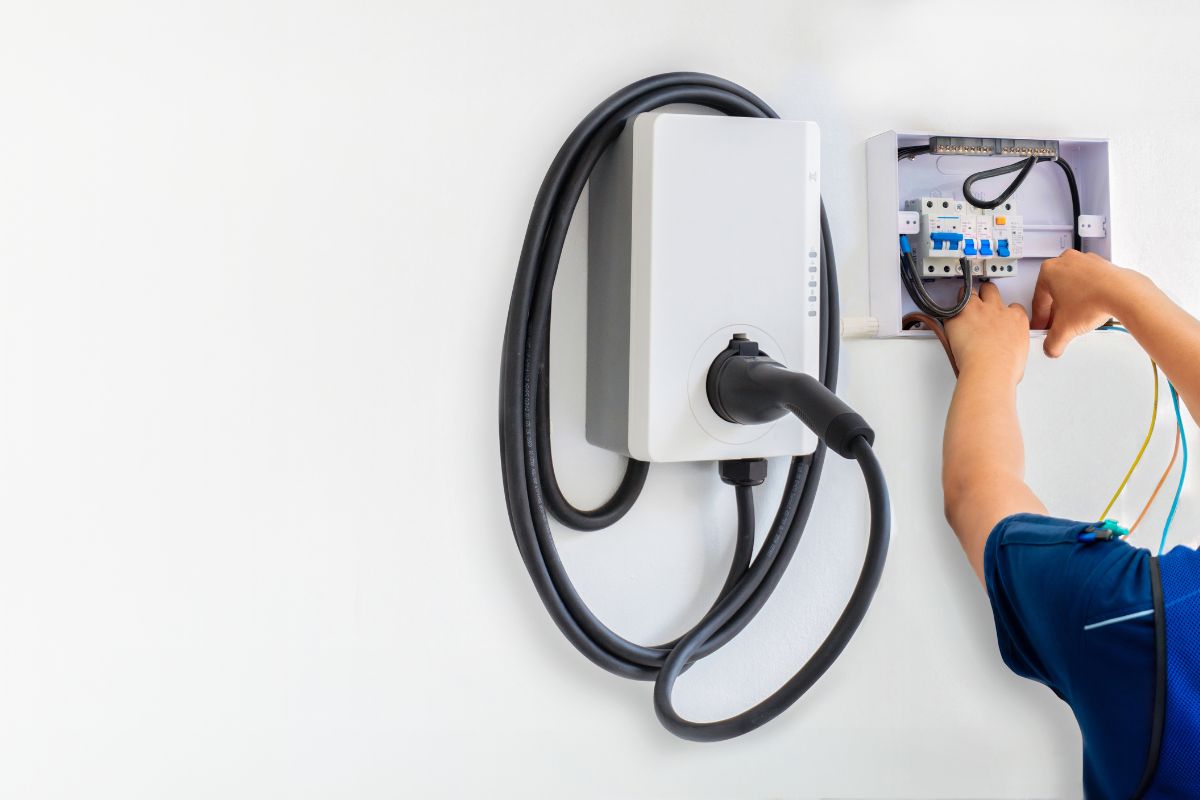
Installing a home EV charger in California is not really just about buying the charger and finding a place to mount it. It is about making sure the charger fits the home’s electrical capacity, complies with local requirements, and is installed in a way that is safe, durable, and ready for everyday use. A charger that seems simple on the surface can quickly become a bigger project if the panel is full, the wiring path is complicated, or the local building department requires specific documentation before approval.
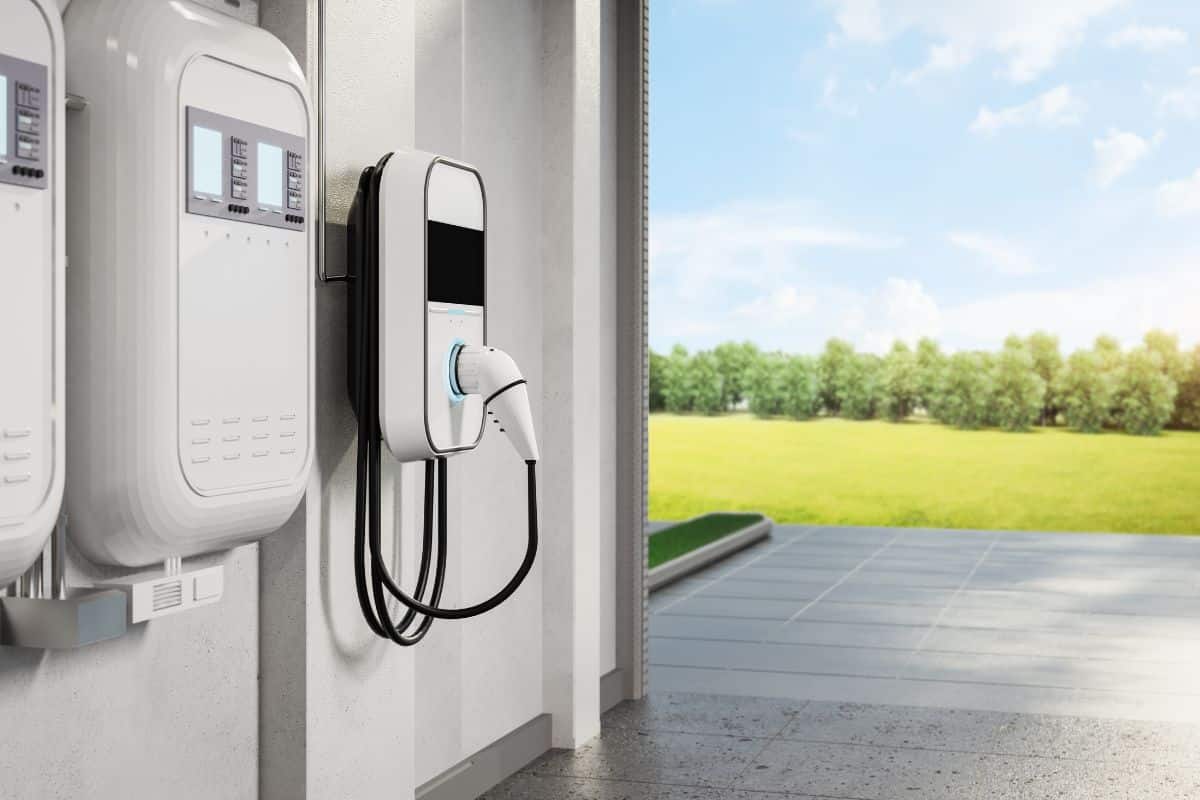
Electric vehicles have changed what “normal” electricity use looks like for a home or small business. A Level 2 charger is not a small appliance. It can pull a sustained load for hours, multiple nights per week, and that consistent demand exposes weaknesses in wiring, breaker sizing, panel capacity, and installation quality far faster than most other household devices.