
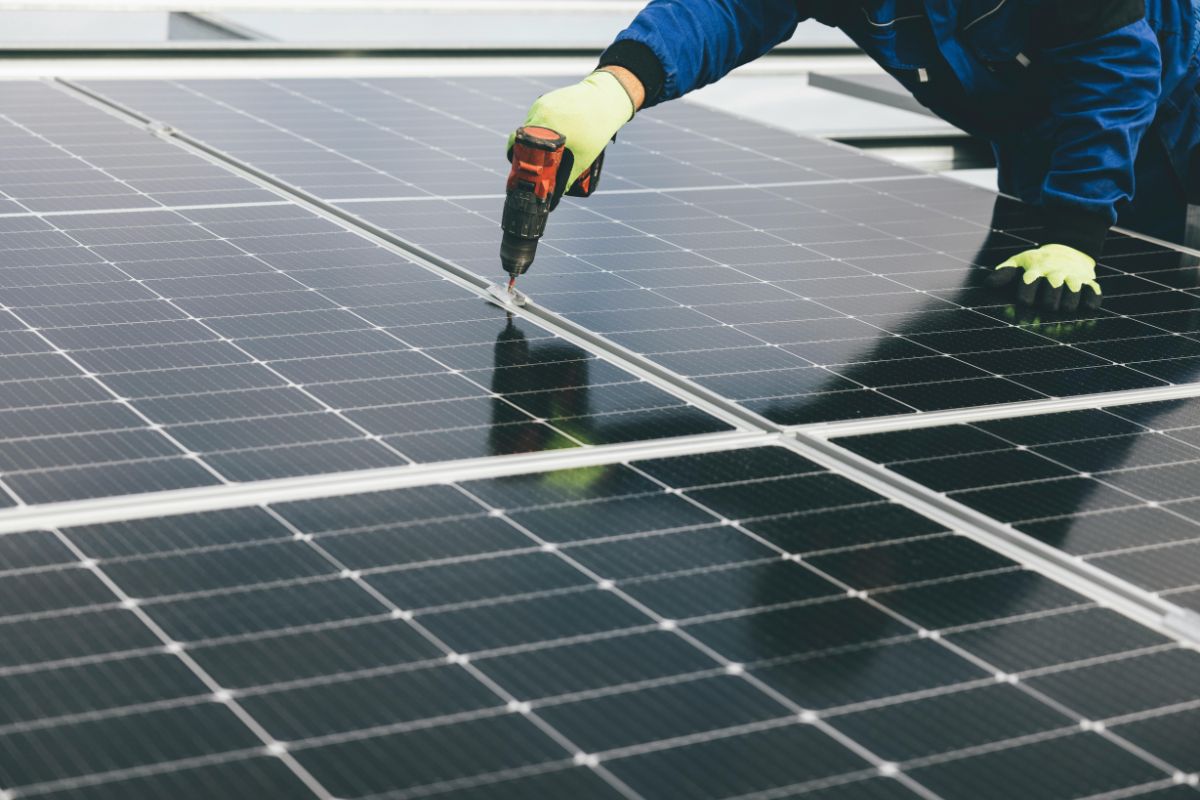
Solar installation is no longer viewed as a niche upgrade reserved for early adopters. For many homeowners, it has become a practical step toward managing rising electricity costs, supporting electric vehicles, and creating a more resilient home energy system. Yet one of the most common questions homeowners ask before moving forward is simple: How do you know if your home is ready for solar installation?
The answer goes beyond whether panels can physically fit on the roof. True solar readiness involves evaluating how your home consumes energy, how your electrical system is configured, how long you plan to stay in the property, and whether your home’s infrastructure can support long-term energy goals. A well-prepared home allows solar to operate efficiently for decades. A poorly planned installation can lead to unnecessary upgrades, reduced savings, or future rework.
Understanding these readiness factors helps homeowners make informed decisions before installation begins.
Your Energy Usage Justifies Solar Investment
Solar works best when it offsets meaningful electricity consumption. Homes with very low usage may still benefit environmentally, but the financial return becomes stronger when energy demand is consistent.
Signs your home may be ready include steadily increasing utility bills, high summer air conditioning usage, electric vehicle charging, pool equipment operation, or all-electric appliances. Solar systems are designed around real consumption patterns, which is why installers typically analyze twelve months of electric bills to understand seasonal trends.
If your energy usage is growing due to lifestyle changes or electrification plans, installing solar sooner rather than later often prevents years of higher utility expenses.
Your Roof Can Support Long-Term Solar Performance
Solar panels are designed to remain in place for decades. That makes roof condition one of the most important readiness factors. A roof does not need to be new, but it should have sufficient remaining lifespan to avoid removal and reinstallation costs later.
Solar-ready roofs typically have:
- Structural integrity capable of supporting mounting equipment
- Minimal shading during peak sunlight hours
- A layout that allows efficient panel placement
- Roofing material compatible with solar mounting systems
Orientation matters, but modern solar design is flexible. While south-facing roofs traditionally perform best, east and west orientations can still produce strong results depending on energy usage timing and local utility rate structures.
A professional site evaluation considers not only sunlight exposure but also long-term maintenance accessibility and system aesthetics.
Your Electrical System Is Prepared For Solar Integration
Solar panels generate electricity, but your home’s electrical system distributes and manages it. Many homeowners discover during consultation that the electrical panel plays a central role in solar readiness.
Older panels, limited breaker space, or outdated equipment can restrict solar interconnection. In these cases, upgrading infrastructure improves both safety and long-term flexibility. Preparing the electrical system allows solar, EV charging, battery storage, and future electrification upgrades to work together efficiently.
JJ Energy often integrates solar planning with an Electrical System Upgrade when needed, ensuring the home is prepared not just for solar today but for evolving energy demands over the next decade.
You Understand How Solar Fits Your Long-Term Plans
Solar delivers the greatest value when aligned with homeowner goals. Readiness is not only technical. It is strategic. Homeowners planning to remain in their property, increase energy independence, or transition toward electric transportation typically benefit the most.
If you anticipate purchasing an electric vehicle, replacing gas appliances with electric alternatives, or adding battery storage, evaluating solar early allows these upgrades to be designed as one cohesive system rather than separate projects completed at different times.
A long-term perspective reduces installation costs and avoids repeated electrical modifications.
Your Home Receives Reliable Sunlight Throughout The Day
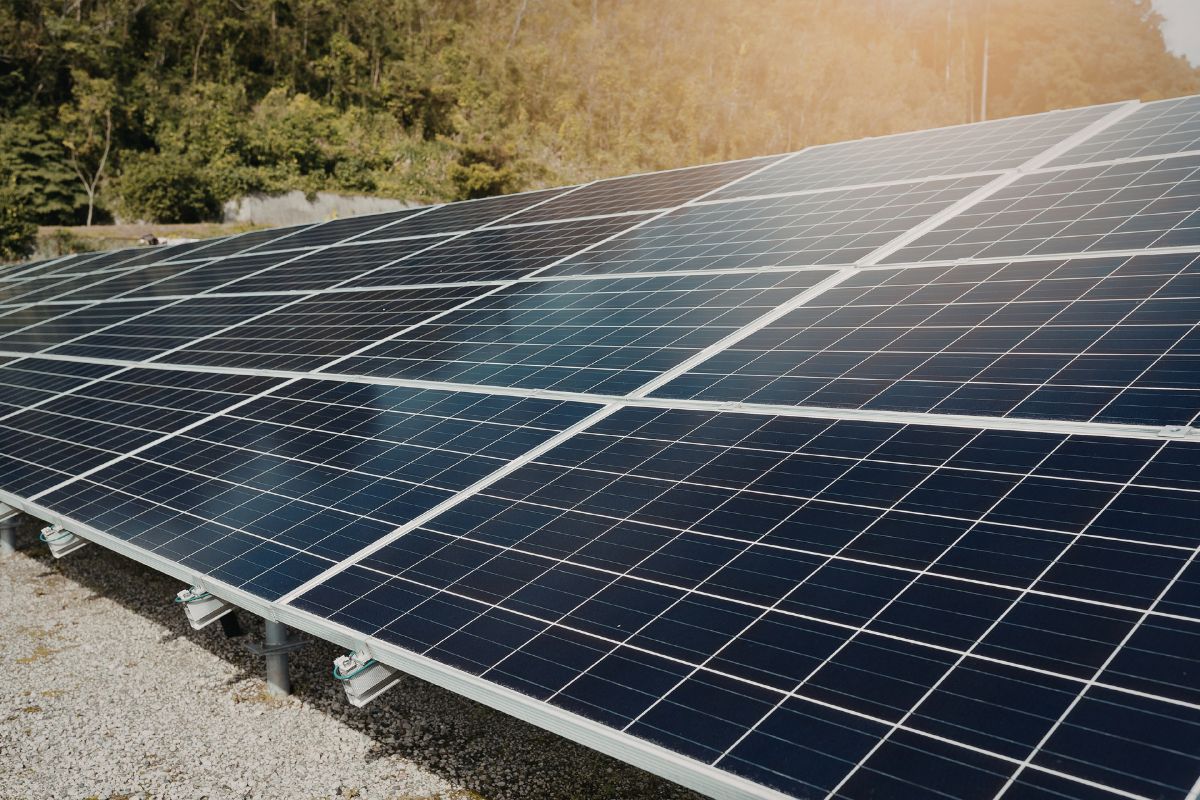
Sunlight exposure directly influences solar production. Homes with minimal obstruction from trees, neighboring buildings, or structural shading generally achieve the highest efficiency.
However, solar readiness does not require perfect conditions. Modern systems use advanced inverters and panel-level optimization technology that allow installations to perform effectively even when partial shading exists.
A professional solar assessment measures shading patterns across seasons, ensuring system design accounts for real-world sunlight conditions rather than assumptions based on appearance alone.
You Want Predictable Energy Costs
One of the strongest indicators of solar readiness is the desire for long-term cost stability. Utility pricing models continue shifting toward time-of-use billing, where electricity becomes more expensive during peak demand hours.
Solar allows homeowners to generate power during daylight hours and reduce reliance on utility electricity when rates are highest. When combined with storage, solar can further protect against outages and rate volatility.
Homeowners increasingly pursue solar not only for savings but for predictability. Instead of reacting to fluctuating bills, they gain greater control over energy expenses.
Your Home Is Moving Toward Electrification
Modern homes are rapidly transitioning toward electricity as the primary energy source. Electric vehicles, heat pumps, induction cooking, and smart home technologies all increase electrical demand.
Solar becomes especially valuable when paired with these upgrades. Generating energy onsite helps offset new loads without dramatically increasing utility dependence.
For example, homeowners installing EV Charging Solutions often find solar dramatically reduces charging costs while supporting a cleaner energy ecosystem.
Planning solar alongside electrification upgrades ensures the system is sized appropriately for future needs rather than current usage alone.
You Have Space For Supporting Equipment
Solar installation involves more than roof panels. Inverters, disconnects, monitoring equipment, and optional battery systems require appropriate placement. Homes ready for solar typically offer accessible locations such as garages, exterior utility walls, or dedicated equipment areas.
Proper placement supports safety, simplifies maintenance, and preserves clean visual integration with the home’s architecture.
When homeowners consider backup resilience, integrating a Backup Power System during solar planning can enhance energy security and provide power continuity during outages.
You Are Ready For The Permitting And Installation Process
Solar readiness also includes understanding the installation timeline. Solar projects involve permitting, utility coordination, inspection, and system activation. While professional contractors manage these steps, homeowners benefit from knowing what to expect.
A smooth project typically includes:
- Energy usage analysis
- Site evaluation and system design
- Permit submission and approval
- Professional installation
- Inspection and utility interconnection
- System activation and monitoring setup
Homes that are structurally prepared and electrically compliant move through this process faster and with fewer surprises.
Solar Readiness Is About Planning, Not Perfection
Many homeowners assume their property must meet strict criteria before considering solar. In reality, readiness often means identifying what adjustments may be needed rather than expecting ideal conditions from the start.
A professional evaluation identifies opportunities, limitations, and future planning considerations. Sometimes readiness involves trimming trees, updating electrical infrastructure, or coordinating roofing work. These steps are part of a smart installation strategy rather than obstacles.
The goal is to ensure the system performs efficiently for decades, not simply to install panels as quickly as possible.
Conclusion
Knowing if your home is ready for solar installation comes down to understanding how your property, electrical system, and energy goals work together. Homes with consistent energy usage, reliable sunlight exposure, sound roofing, adequate electrical capacity, and long-term electrification plans are typically excellent candidates for solar.
When solar is approached strategically, it becomes more than an upgrade. It becomes the foundation of a modern home energy system that reduces utility dependence, supports future technologies, and delivers predictable long-term value.
Contact JJ Energy Inc
JJ Energy Inc provides professional Solar Panel Installation, EV Charging Solutions, Electrical System Upgrade, and Backup Power System services designed to help homeowners transition confidently into modern energy solutions.
Call JJ Energy Inc at (760) 552-3772 to schedule a consultation, or request a quote here: Get A Quote.