
Palm Springs has one of the best solar climates in the country. With abundant sunshine, high summer electric demand, and steadily rising utility costs, it is no surprise that more homeowners are asking the same practical question: what should I know before I install solar panels on my home?
Solar is not only about “going green.” In Palm Springs, it is often a straightforward home upgrade that can lower monthly power costs, reduce dependence on the grid during peak hours, and add long-term value to a property. The key is doing it the right way. A quality system starts with proper design, realistic production expectations, code-compliant electrical work, and a clean permitting and utility interconnection process.
In this guide, we will walk through what homeowners should know about solar panel installation in Palm Springs, including how the process works, what affects cost and performance, how roofing and electrical conditions impact your project, and why working with an experienced installer like JJ Energy helps you avoid expensive mistakes.
Why Solar Panel Installation In Palm Springs Makes Sense
Palm Springs sits in a desert region where air conditioning is a necessity for much of the year. That creates a pattern of high daytime electricity use, especially during hot afternoons when utility rates and demand can be highest. Solar panels are designed to generate power during the same hours that your home is consuming the most energy, which can make solar especially valuable in this area.
Beyond climate, Palm Springs homeowners often have large roof surfaces, plenty of direct sun exposure, and home layouts that can support thoughtful panel placement. Many neighborhoods also see strong interest in home energy upgrades, which makes solar a practical and market-friendly improvement.
That said, solar outcomes are not automatic. Your roof angle, shading, electrical panel capacity, and the quality of system design all influence results. Knowing what to look for before you sign an agreement is what separates a system that performs well for decades from one that creates headaches.
1. Understand How A Residential Solar System Works
Solar panel installation is the process of mounting photovoltaic panels on your home and connecting them to an inverter system that turns sunlight into usable electricity. The panels produce direct current electricity. Your inverter converts that direct current into alternating current that your home can use to run appliances, lighting, and HVAC.
When your system produces more electricity than your home is using at that moment, the “extra” energy can either flow back to the grid (depending on your utility billing structure) or be stored in a battery for later use. When production is lower than your home’s demand, such as at night, your home draws electricity from the utility grid or from your battery, depending on how your system is configured.
For Palm Springs homeowners, the big value is not only producing power, but producing it at the right time and managing it intelligently. That is why many modern systems focus on optimizing daytime production while also improving evening and peak-hour performance with rate-aware strategies and optional storage.
2. Know What Solar Panels Can And Cannot Do For Your Utility Bill
One of the most common misunderstandings is expecting solar to erase your bill in every situation. In reality, solar changes how you buy electricity from the utility. Your monthly cost depends on how much you consume, when you consume it, and how your system is sized relative to your usage.
If you use most of your electricity during the day, solar can offset a large portion of your demand directly. If much of your usage happens in the evening, you may still benefit, but your plan may perform better with battery storage or changes in how you schedule heavy loads like EV charging and HVAC.
Solar also does not eliminate fixed utility charges and some minimum fees. A good installer will set expectations clearly, explain how billing works under your utility plan, and show you realistic projections instead of promising “zero bills” without context.
3. Roof Readiness Matters More Than Most People Expect
Before choosing equipment or talking financing, confirm your roof is a strong candidate for solar. The roof is the foundation of the system. If the roof needs replacement soon, installing solar first can lead to costly removal and reinstallation later.
Age and condition. As a general rule, if your roof is nearing the end of its service life, it is often smarter to replace it before solar goes on. A proper site evaluation should include a visual inspection of the roof surface and an assessment of problem areas such as soft spots, damaged underlayment, or poor drainage.
Roof type. Palm Springs homes often have tile, shingle, or flat roof designs. Each requires a different mounting approach and flashing strategy. Tile roofs can be excellent for solar, but the installer must use the correct hardware and handle tiles carefully to prevent breakage and future leaks. Flat roofs may allow flexible orientation, but require a racking system designed for wind uplift and long-term waterproofing.
Sun exposure and shading. Even in sunny climates, shading reduces output. Trees, neighboring structures, and rooftop equipment like vents or parapets can create shade that affects production. Good design plans for this, often using layouts that minimize shade impact and optimize panel stringing.
4. Your Electrical Panel And Wiring May Need An Upgrade
Solar is an electrical project as much as a roofing project. Your home’s main service panel, breaker capacity, grounding, and wiring condition all matter. In many installations, the solar system can be added without major electrical changes. In others, an electrical system upgrade is necessary for safety and code compliance.
Common reasons an upgrade may be recommended include older panels that are out of space, outdated equipment that does not meet modern code requirements, or a home that is adding additional load through an EV charger, a new HVAC system, or a future battery.
This is where working with a contractor that handles both solar and electrical work becomes a major advantage. JJ Energy offers Electrical System Upgrade services, which helps ensure the solar system is integrated properly and built for long-term reliability.
5. Learn the Step-by-Step Solar Installation Process
A professional solar project follows a consistent workflow. Understanding that workflow helps you judge whether a proposal is realistic and whether the installer is organized enough to deliver a smooth experience.
Site Evaluation And System Design
The process begins with a review of your historical usage and a site visit that evaluates roof geometry, sun exposure, electrical infrastructure, and structural considerations. From there, the installer designs a system that targets your goals, whether that is maximum bill reduction, partial offset with storage readiness, or a balanced system that supports future EV charging.
Permits And Utility Interconnection
Solar installation requires permits from the local authority having jurisdiction, along with utility documentation for interconnection approval. The paperwork should not be treated as an afterthought. A good installer manages it from start to finish so you are not stuck navigating forms, inspections, and utility steps on your own.
Installation Day And Electrical Tie-In
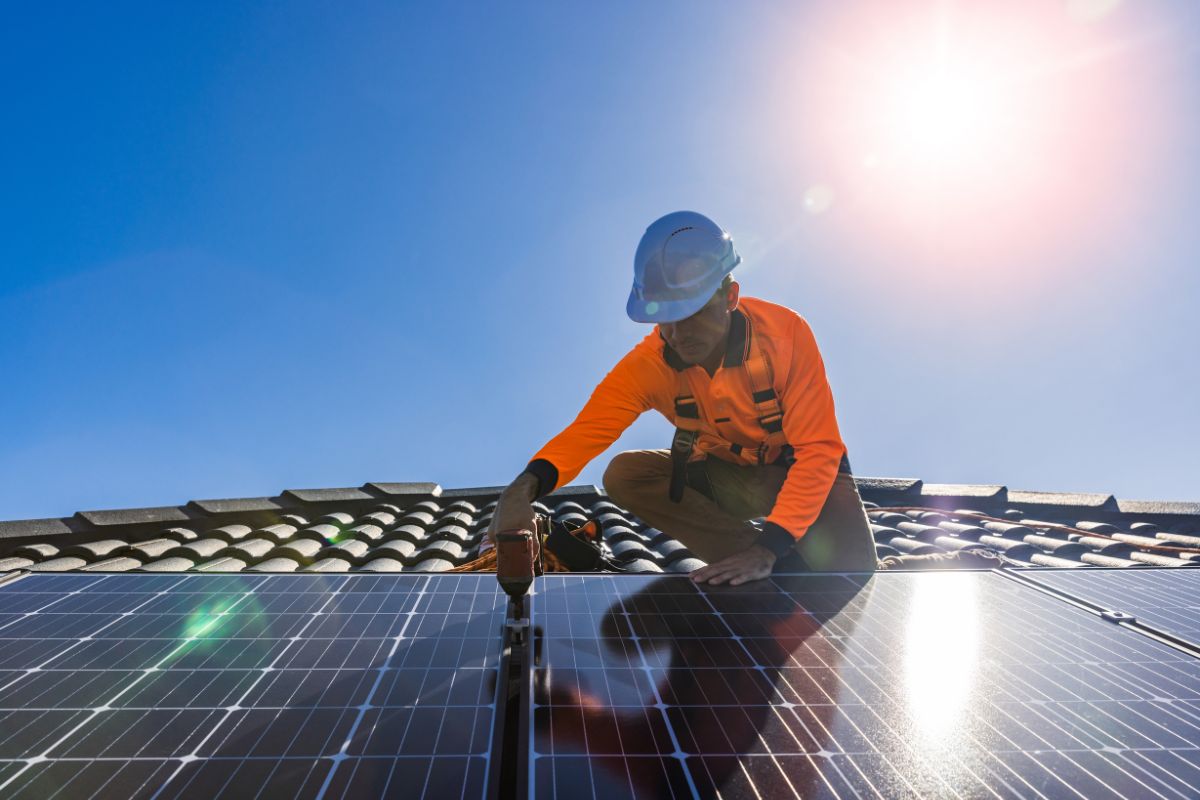
The physical install typically includes mounting and racking, panel placement, inverter installation, conduit and wiring, and connection to your electrical system. The crew should protect the roof, keep work areas clean, and follow code requirements for labeling, disconnects, and grounding.
Inspection, Permission To Operate, And Activation
After installation, a final inspection is usually required. Then the utility issues permission to operate. Once that is in place, the system can be activated and you can begin producing power. Your installer should also walk you through how to monitor performance and what normal production patterns look like.
6. System Size Should Match Your Real Needs
Solar sizing is not about guessing or buying the biggest system you can afford. It is about aligning production with your actual consumption pattern. A high-quality proposal uses your kWh history, accounts for seasonal demand, and considers future changes such as adding an EV, a pool heater, or a home addition.
Palm Springs homeowners often see significant summer demand spikes due to air conditioning. A well-designed system recognizes that, and may also consider how your rate plan charges you for high-demand periods. A smart approach focuses on meaningful savings, not just maximum theoretical annual production.
7. Battery Storage Is Often A Strategic Upgrade In Desert Markets
In Palm Springs, batteries are not only about backup power. Many homeowners consider storage because it can help you use more of your own solar energy later in the day when the sun is down but electricity can be more expensive. Battery systems also provide resiliency during outages and can keep essential loads powered.
If backup capability matters, your system may be designed around a critical loads subpanel or a whole-home backup approach depending on budget and electrical configuration. JJ Energy also provides Backup Power System solutions, which can be integrated with solar planning so your system is designed as one coordinated energy platform.
8. Incentives And Tax Credits Can Improve Your Return
Many homeowners use incentives to reduce out-of-pocket cost and improve payback. The federal Residential Clean Energy Credit has been a major driver for adoption, and it can apply to solar installations and, in many cases, battery storage. Because incentive rules can change, it is important to confirm current eligibility and documentation requirements before you make decisions.
A reputable installer should explain what incentives are commonly used, what paperwork is provided, and what you should keep for your tax records. They should also avoid making promises about specific tax outcomes, because personal eligibility depends on your tax situation.
When homeowners evaluate solar in Palm Springs, the right mindset is to view incentives as helpful support, not the only reason to move forward. The strongest systems are the ones that still make sense even when you focus on long-term savings and home value.
9. What A Professional Installation Should Look Like
Not all solar installations are equal. A professional installation is defined by workmanship, safety, and long-term performance. The visible part is the roof work, but the details matter just as much inside the electrical system.
On the roof, that means properly flashed mounts, clean conduit runs, secure racking, and panel placement that respects ventilation, drainage, and roof warranties. In the electrical portion, it means correctly sized conductors, code-compliant breakers, proper labeling, grounding, and a neat, serviceable layout that inspectors can approve and future electricians can understand.
It also means the system is designed for Palm Springs conditions. Desert heat and sun exposure require equipment choices and installation methods that support durability. Proper setbacks, mounting clearances, and high-quality components help ensure consistent performance over time.
10. How Long The Process Usually Takes
Homeowners often assume solar can be installed in a weekend, and while the roof work might be quick, the overall project timeline is broader. The design phase, permit approvals, scheduling, inspection, and utility permission to operate all take time.
In many cases, the physical install may be completed in one to three days depending on system size and complexity. The full process from the first consultation to activation can take several weeks. Your installer should provide a realistic timeline and keep you updated as the project moves through each step.
11. Maintenance And Monitoring Are Simpler Than Most People Think
Solar panels are generally low-maintenance, especially when installed correctly. The most important maintenance factor is monitoring performance so you can spot issues early. Most modern systems include app-based monitoring that shows daily production, trends over time, and alerts if output drops unexpectedly.
In Palm Springs, dust and wind can contribute to surface buildup. Some homeowners choose periodic cleaning, especially if they notice reduced performance during dry periods. That said, cleaning should be done carefully to avoid scratching glass or damaging seals. Many systems perform well with minimal intervention, and your installer can advise what is appropriate for your roof type and location.
12. Choose An Installer Who Treats Solar Like A Long Term System
The best solar experience starts with the right partner. Look for an installer that clearly explains system design, sets honest expectations, handles permitting and inspections, and is available after installation if you have questions. Solar is not a quick product purchase. It is an energy system expected to perform for decades.
JJ Energy supports homeowners across Coachella Valley, including Palm Springs, with professional solar planning and installation through its Solar Panel Installation service. Because the company also provides EV charging solutions and electrical upgrades, the team can build a unified plan that makes sense for homeowners who are upgrading multiple parts of their home’s energy infrastructure.
Conclusion
Solar panel installation in Palm Springs can be one of the most practical and valuable upgrades a homeowner makes, especially when the system is designed around real consumption patterns, roof conditions, and modern utility billing realities. The most important takeaway is that solar success comes from preparation and proper design. Roof readiness, electrical capacity, permitting, equipment selection, and clean workmanship all shape the long-term outcome.
If you approach the process with clear goals and work with a qualified installer who understands desert conditions and code-compliant electrical integration, solar can deliver years of predictable savings and a more resilient home energy setup. For homeowners who want to plan solar the right way and explore options for electrical upgrades, EV charging, or backup power, a coordinated installation strategy makes all the difference.
Contact JJ Energy
JJ Energy provides solar panel installation, EV charging solutions, electrical system upgrades, and backup power systems throughout Palm Springs and the Coachella Valley.
Call JJ Energy at (760) 552-3772 to schedule a consultation, or request a quote here: Get A Quote.