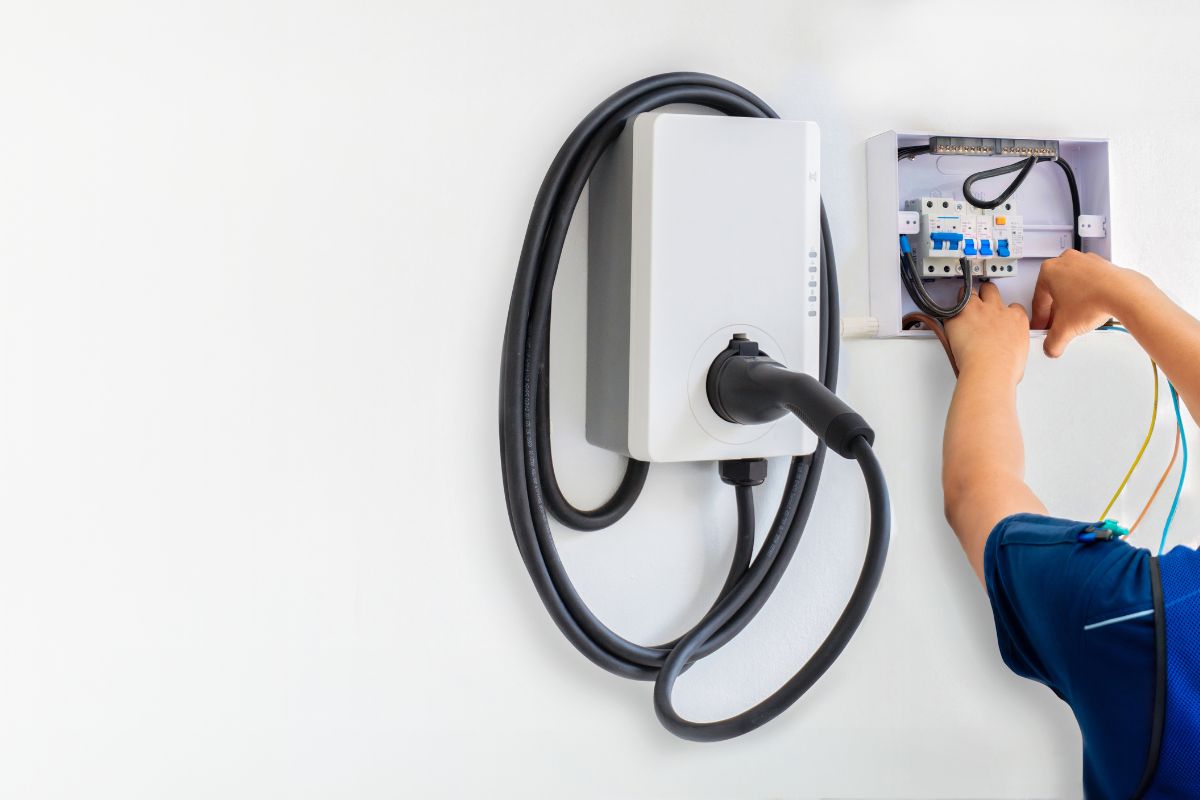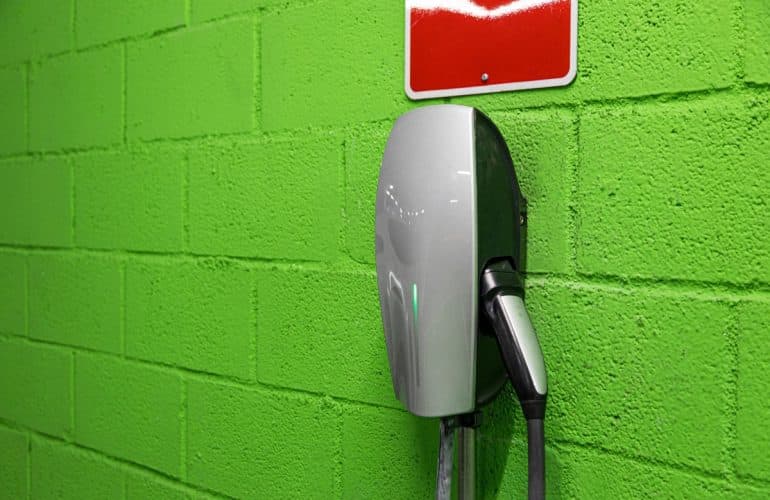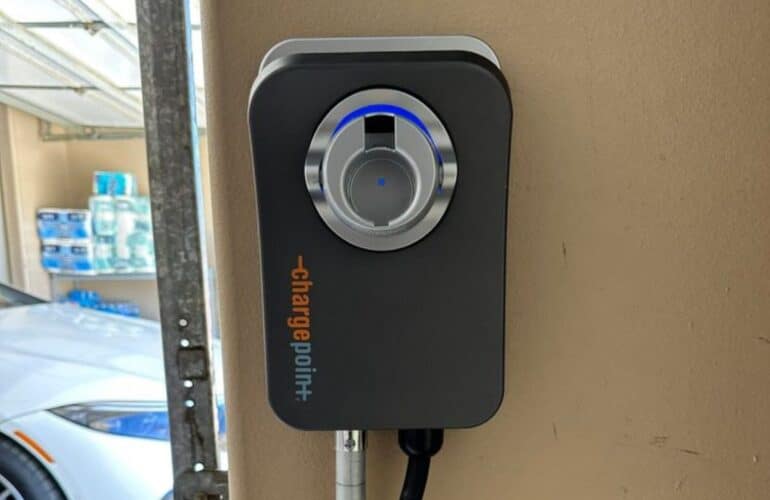
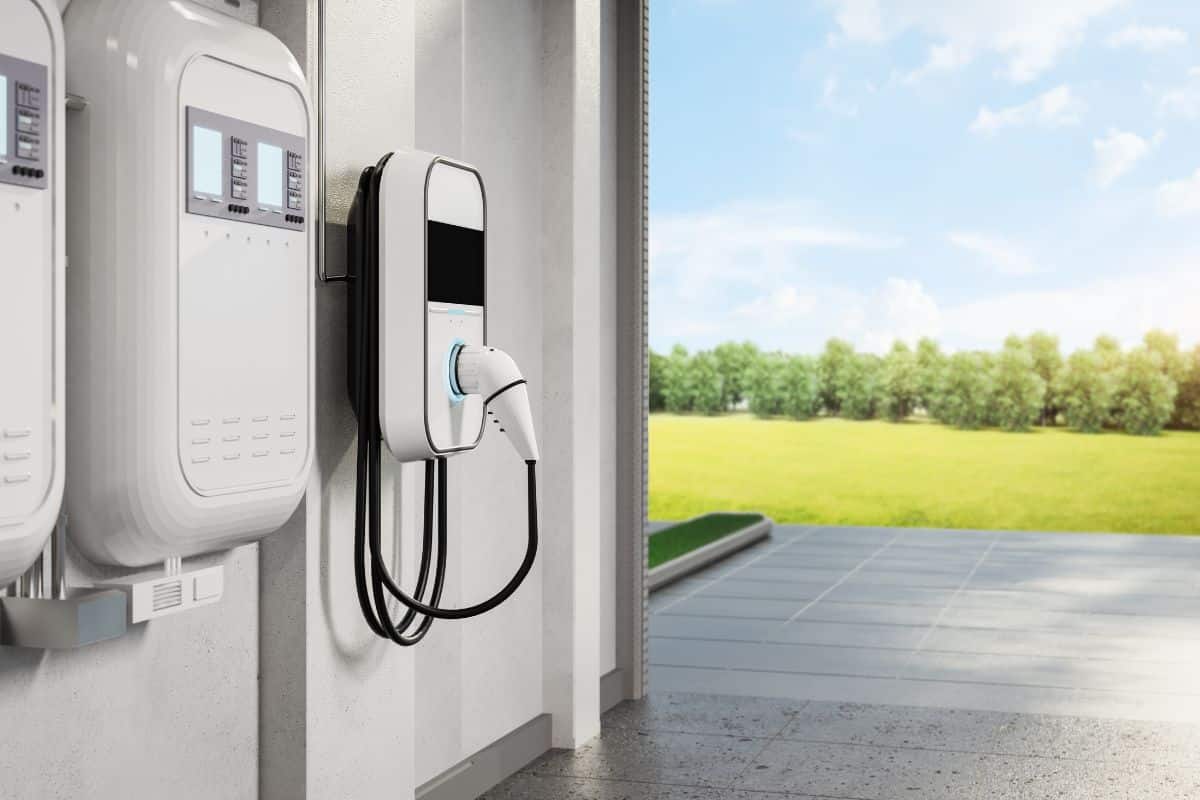
Installing a home EV charger in California is not really just about buying the charger and finding a place to mount it. It is about making sure the charger fits the home’s electrical capacity, complies with local requirements, and is installed in a way that is safe, durable, and ready for everyday use. A charger that seems simple on the surface can quickly become a bigger project if the panel is full, the wiring path is complicated, or the local building department requires specific documentation before approval.
That is why the better question is not simply whether a permit exists in the abstract. The better question is whether your type of charger, your local jurisdiction, and your existing electrical system make a permit part of the process. In most California homes, especially when a Level 2 charger is being installed, the answer is usually yes. The permit is not just a technicality. It is part of making sure the charger is installed legally and that the home is actually ready to support the added electrical load.
In Most Cases A Level 2 Home EV Charger Does Require A Permit
For most homeowners, the real permit question comes up when they want a Level 2 charger. A Level 2 charger is not the same as plugging a car into a normal household outlet. It usually involves a dedicated 240-volt circuit, which means it becomes a true electrical installation project rather than a simple plug-in convenience.
That is why permits are commonly required. In Palm Desert and many other California jurisdictions, EV charger installation is generally treated as residential electrical work rather than a casual add-on. That reflects the broader reality that most Level 2 home charger installations are permitted electrical projects, even though the exact paperwork and review steps may vary by city or county.
Local Jurisdictions Handle Permits, But California Has Tried To Streamline The Process
One reason homeowners get mixed messages is that California does not run every residential EV charger permit through one single statewide office. Permits are typically handled by the local city or county that has authority over the property. That means the exact application steps may look a little different depending on where you live.
At the same time, California has tried to make the process less burdensome than people often expect. California’s GO-Biz guidance on permitting electric vehicle charging stations explains that jurisdictions use streamlining practices and model procedures for EV charging permits. In practical terms, this means the process may be more efficient than a homeowner fears, but it usually still exists.
Permit Requirements Are About Safety, Not Just Bureaucracy
Some homeowners see the permit as an annoying extra step, but the purpose is more practical than that. A home EV charger adds meaningful electrical demand to the property, especially when the homeowner wants faster charging from a Level 2 setup. The permit process helps make sure the work is code-compliant and that the electrical system can actually carry the added load safely.
That matters because EV chargers are not occasional-use devices. They are often used repeatedly, overnight, and at a higher load level than many ordinary household circuits. A permitted installation helps reduce the risk of undersized wiring, overloaded panels, improper breakers, and other problems that may not be obvious until the system is already in use.
Level 1 And Level 2 Charging Should Not Be Treated The Same Way
When homeowners ask about permits, they are usually thinking about a Level 2 charger, even if they do not say that directly. A Level 1 charger typically uses a standard outlet and is much closer to a plug-in solution. A Level 2 charger usually requires dedicated electrical work, which is why it is the version that most commonly triggers permits, inspections, and load review.
That distinction is important because a homeowner should not assume that all charging setups are treated identically. A basic charging arrangement and a professionally installed EV Charging Solution do not place the same demands on the home.
Electrical Load Calculations Are Often One Of The Most Important Parts Of The Process
One of the biggest reasons permits are required is that someone needs to verify whether the home can safely support the charger. A charger project is not just about finding breaker space. The real question is whether the home’s total electrical demand remains safe once the EV charger is added to the rest of the household load.
That is one reason cities commonly review charger projects as part of residential electrical permitting. In practical terms, this means load calculations and panel capacity review are often central to the approval process, especially in older homes or homes that already have substantial electrical demand.
A Panel Upgrade May Be Needed Before The Charger Can Be Installed Properly
For some homes, the permit process reveals that the charger itself is not the hardest part of the project. The real issue is the panel. If the existing electrical system is already near capacity, adding a Level 2 charger may not be realistic without changes to the electrical infrastructure.
That is where a project may shift into a broader evaluation of service capacity, breaker availability, and whether the house needs an Electrical System Upgrade. This is especially relevant in older homes or in households that already have large electrical loads.
Inspections Are Usually Part Of The Permit Process Too
In many cases, the permit is not the last step. Inspection is also part of the normal process. After installation, the local authority often verifies that the charger, wiring, breaker, and installation details match the approved work and comply with applicable standards.
This is one reason homeowners should think of a charger install as a real electrical project rather than just a product purchase. A properly installed charger is usually one that has gone through both approval and inspection, not one that was simply mounted and energized as quickly as possible.
Palm Desert Homes Still Need To Follow Local Electrical Permit Procedures
For Palm Desert homeowners, the local process still points to the same conclusion: EV charger installations are treated as electrical work. The City of Palm Desert lists EV charger work under residential electrical permit types, which reinforces the practical point that these installations are usually not handled as permit-free convenience upgrades.
For homeowners in Palm Desert and surrounding Coachella Valley areas, the safest assumption is that a Level 2 charger will likely need to go through a proper permitting and inspection path unless the local authority specifically says otherwise.
Older Homes Need A More Careful Review Before Charger Installation
Older homes often need a more serious electrical review before a charger is added. That does not mean the home cannot support EV charging. It means the answer should be based on actual panel condition, circuit availability, wiring quality, and service capacity rather than optimism.
In many of these homes, the permit process ends up helping the homeowner more than hurting them because it forces the system to be reviewed properly before a new continuous load is added. In some cases, that review is what prevents future problems.
Permits Can Also Matter For Future Resale And Insurance Concerns
Homeowners sometimes focus only on getting the charger working now, but there can be later consequences if the work was done informally. Unpermitted electrical work may create questions during resale, insurance claims, future remodeling, or property disclosures.
That does not mean every future buyer will immediately ask about the EV charger. It means a properly permitted and inspected installation gives the homeowner a cleaner record and a stronger position if questions come up later.
EV Charger Planning Gets Smarter When You Think Beyond The Charger Alone
For many homes, the EV charger is not the last electrical upgrade. It may be one part of a broader energy plan that eventually includes Solar Panel Installation, electrification, or additional equipment. That is why the smartest installations are often designed with future planning in mind rather than treating the charger as a standalone project.
A home that may later add solar or other electrical improvements benefits from a charger installation that is planned as part of the whole system. That kind of thinking often leads to a cleaner long-term result than making each upgrade separately without a shared strategy.
What The Practical Answer Looks Like
If you want the most practical answer possible, it is this: for most California homeowners installing a Level 2 charger, yes, a permit is usually required. The details depend on the local jurisdiction, but the project is commonly treated as a permitted electrical installation that may require load calculations, review of the panel capacity, and final inspection.
The larger lesson is that the permit is not the annoying extra step after the real work. It is part of the real work. Once you understand that, the project becomes easier to plan correctly from the start.
JJ Energy
If you are planning a home charger installation and want the project handled correctly from the beginning, JJ Energy provides EV Charging Solutions along with Electrical System Upgrade services for homes that may need more capacity before the charger can be installed. If your long-term energy plan also includes Solar Panel Installation, it often makes sense to evaluate those goals together instead of treating each project separately.
Conclusion
For most California homeowners, a Level 2 EV charger is not a permit-free upgrade. It is usually a permitted electrical project that may involve local review, load calculations, and inspection before the installation is considered complete. That becomes even more important in homes with limited capacity, older panels, or long-term plans for added electrical demand.
The strongest approach is not to treat permitting as a roadblock. It is to treat it as part of a safer and smarter installation. If you are preparing for a home charger, thinking about a possible panel upgrade, or planning how the charger may fit alongside future solar improvements, the best next step is to start through JJ Energy’s Contact Us page.
Frequently Asked Questions
1. Do All Home EV Chargers Require A Permit In California?
Not every charging setup is treated the same way, but most permanently installed Level 2 home EV chargers usually require a permit because they involve true electrical installation work.
2. Why Is A Permit Usually Required For A Level 2 Charger?
A Level 2 charger typically uses a 240-volt circuit and adds a meaningful electrical load to the home. The permit process helps make sure the installation is safe, code-compliant, and properly reviewed.
3. Does A Permit Also Mean The Charger Must Be Inspected?
In many jurisdictions, yes. The permit process usually includes a final inspection to verify that the charger was installed according to the approved scope and applicable code requirements.
4. Can I Skip The Permit If The Installation Looks Simple?
That is usually not the smart approach. Even if the charger seems straightforward, the work still often changes the home’s electrical load and is commonly treated as a permitted installation.
5. Will I Need Electrical Load Calculations For A Home EV Charger?
In many California jurisdictions, yes. Load calculations are often part of the review because the real issue is whether the home can safely support the charger along with its other electrical demands.
6. What If My Current Panel Cannot Handle The Charger?
If the panel does not have enough capacity, the project may require a service change, load-management solution, or electrical upgrade before the charger can be installed safely.
7. Does Permit Approval Work The Same Way In Every California City?
No. The process is handled locally, so the exact forms and steps vary by city or county. But the overall permit-and-inspection structure is common across many jurisdictions.
8. Is A Permit Still Important If I Plan To Sell The House Later?
Yes. Proper permits and inspections can help reduce questions later during resale, disclosures, insurance claims, or future remodeling work involving the electrical system.
9. Should I Think About Solar At The Same Time As EV Charger Installation?
In many homes, yes. If you expect to add solar later, it often makes sense to evaluate the electrical system with both projects in mind instead of treating them as unrelated upgrades.
10. What Is The Best First Step Before Installing A Home EV Charger?
The best first step is usually a qualified review of the home’s electrical system, charger location, local permit needs, and panel capacity so the project can be planned correctly from the start.