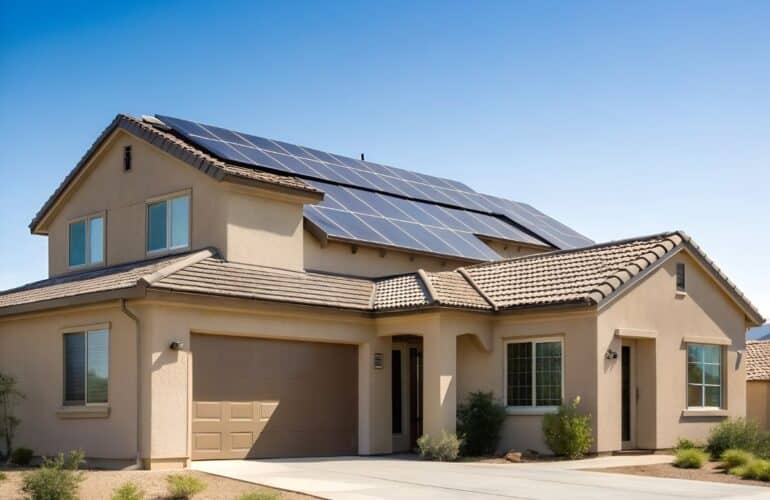
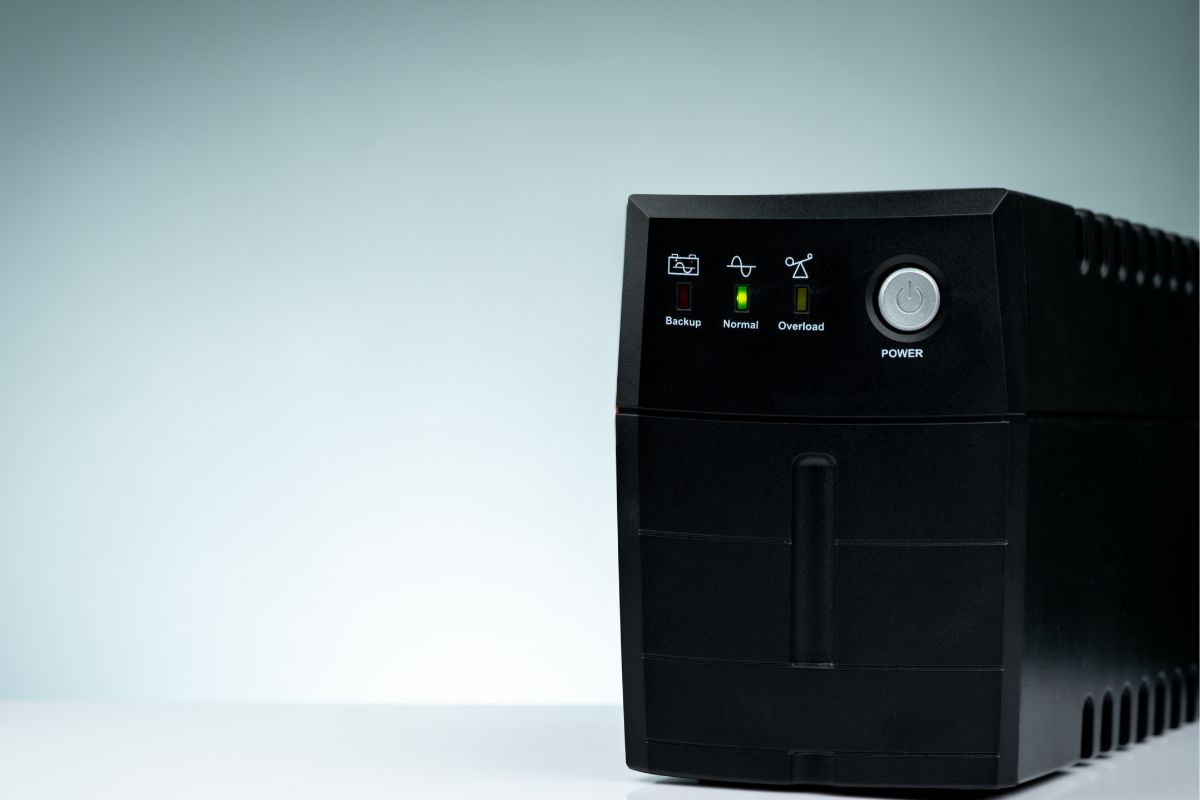
Choosing the best backup power option for a home in Palm Desert is not really about finding one product that works for everyone. It is about matching the system to the way the home actually uses electricity, what the homeowner wants to protect during an outage, and how the property may be evolving over time. A backup solution that works well for a smaller home with a few critical loads may not be enough for a larger property with heavier cooling demands, pool equipment, multiple refrigerators, a home office, or plans for future energy upgrades.
That is why the better question is not simply whether a generator or battery is best in the abstract. The better question is which backup strategy makes the most sense for your specific home, your comfort priorities, and your long-term energy goals. In Palm Desert, backup power often matters more than people expect because outages can affect cooling, food storage, communication, security, and everyday livability very quickly, especially during periods of extreme heat.
This guide explains the main backup power options for Palm Desert homeowners, how to think about battery systems versus generators, what role solar and electrical readiness play, and how to choose a solution that feels practical rather than oversized, underpowered, or disconnected from the way the home actually functions.
Why Backup Power Is A Serious Consideration In Palm Desert
Backup power has a different level of importance in Palm Desert than it might in a milder part of California. In this climate, electrical service is tied directly to comfort. Air conditioning is not an occasional luxury. It is often a daily necessity for much of the year. Refrigeration, internet access, lighting, pool systems, security devices, and home office equipment may also matter more during an outage than many homeowners realize until the power actually goes down.
That is one reason more homeowners are looking at professionally designed Backup Power System solutions. A good system does more than turn on during an emergency. It helps a property stay functional, protects the homeowner from disruption, and supports a broader energy plan that may include solar, EV charging, and electrical modernization.
The Best Option Depends On What You Need To Keep Running
Before choosing any backup power system, it helps to separate wants from needs. Some households mainly want to keep essential loads operating. That might include refrigeration, lights, Wi-Fi, a few outlets, garage access, and selected medical or comfort-related devices. Other homeowners want much more. They may want to support central air conditioning, larger appliances, work equipment, entertainment systems, and more of the home without major interruption.
This distinction matters because the “best” backup option is rarely defined by marketing language. It is defined by load priorities. If the goal is modest essential-load coverage, one solution may be ideal. If the goal is broader whole-home continuity, a different solution may be more practical. The right starting point is not the brand or product type. It is the list of what the house actually needs during an outage.
Battery Backup Is Often The Best Fit For Modern Homes
For many Palm Desert homeowners, battery backup is often the strongest overall option, especially when the goal is clean, quiet, automatic backup that fits into a more modern home energy strategy. Battery systems are especially attractive to homeowners who want backup protection without fuel storage, louder operation, or a system that feels separate from the rest of the home’s electrical planning.
Battery backup can be an especially smart choice when the property already has, or plans to add, Solar Panel Installation. In that kind of setup, the battery becomes more than an emergency tool. It becomes part of the home’s overall energy infrastructure. That can make the property feel more efficient, more flexible, and more aligned with where residential power systems are heading.
Why Homeowners Often Prefer Battery Systems
Many homeowners are drawn to battery backup because it tends to feel seamless. When designed properly, the system can switch over automatically and continue supporting selected loads without the homeowner having to manage a separate machine or a fuel source. It also tends to be quieter and less intrusive, which matters for people who value convenience and a cleaner installation experience.
Battery systems also work well for homeowners who are thinking ahead. A house that is already preparing for solar, electric vehicle charging, and smarter energy use usually benefits from a backup solution that fits naturally into that ecosystem. Instead of treating backup power as a completely separate category, the homeowner starts viewing the house as a more coordinated energy system.
Where Battery Backup Has Limits
Battery backup is not automatically the best choice for every property simply because it is modern and appealing. It still has to be sized correctly. If a homeowner expects a small battery setup to run large HVAC systems, multiple appliances, and broad sections of the house for a long outage, expectations may not line up with reality.
The important point is not that battery systems are weak. It is that they need to be designed around the home’s actual priorities. A well-planned battery system can be an excellent solution. An undersized one can lead to disappointment. That is why careful planning matters just as much as the technology itself.
Generators Are Still A Strong Option For Some Homes
Although battery systems are often the most attractive solution for many homeowners, generators still make sense in certain situations. Some households care less about quiet operation or energy integration and more about keeping larger loads running for longer periods. In those cases, a generator may be the better fit.
This can be especially relevant for larger homes, heavier whole-home electrical use, or properties where the homeowner wants extended backup rather than selective circuit coverage. A generator may also appeal to people who want a more traditional emergency-power approach and are focused on duration above all else.
Battery Backup Versus Generator Is Really A Lifestyle Decision
Many homeowners assume the choice between a battery and a generator is mainly a technical one. In reality, it is often just as much a lifestyle decision. Some people want a quieter, more integrated, lower-profile solution that works well with solar and future upgrades. Others want a system designed primarily around longer-run backup capacity and broader coverage expectations.
That is why the best answer is often not found by asking which technology is stronger in the abstract. It is found by asking which approach better fits the way the homeowner wants to live with backup power. The system should support the home without creating unnecessary friction, overbuilding, or underdelivering.
Solar Makes Battery Backup Even More Attractive
One of the clearest reasons battery systems have become so appealing is their natural compatibility with solar. When a home pairs backup storage with Solar Panel Installation, the homeowner is no longer thinking only about outages. They are thinking about how the home generates, stores, and uses power more intelligently over time.
That kind of strategy is especially appealing in Palm Desert because of the amount of sunshine the region receives throughout the year. Solar plus battery planning can make the house feel more self-sufficient and more future-ready. It also makes the backup conversation broader and more strategic than simply asking what turns on during an outage.
Electrical Readiness Still Matters Before Any Backup System Is Added
No backup system works in isolation. Whether a homeowner is considering battery storage or a generator-based solution, the home’s electrical infrastructure has to be ready to support it properly. Panel condition, breaker capacity, service configuration, and overall system health all play a role in how well the installation can be designed and how effectively it will operate.
That is why many projects begin with an Electrical System Upgrade or at least a serious evaluation of the existing panel. A home that has outdated electrical equipment, limited capacity, or poor flexibility may not be in the best position to add backup power cleanly. Strong backup planning starts with a strong electrical foundation.
Homes With EV Charging Need Smarter Backup Planning
As more households adopt electric vehicles, backup power planning becomes more layered. A home with EV Charging Solutions is already placing higher demand on the electrical system than it may have in the past. That does not mean backup power becomes harder. It means the design needs to be more intentional.
In these homes, the best backup option is often the one that fits into a broader energy plan rather than simply being added as an afterthought. A property that combines solar, EV charging, battery storage, and modern electrical capacity tends to feel more complete than one where each element is added separately without a long-term strategy.
Essential Load Backup Versus Whole Home Backup
One of the most important decisions in choosing a backup power system is whether the homeowner wants essential-load protection or something closer to whole-home support. Essential-load systems are often focused on the circuits that matter most during an outage. Whole-home backup aims much higher and usually requires more planning, more capacity, and a bigger investment in the overall design.
Neither approach is automatically better. The right choice depends on how the home is used and how much disruption the homeowner is willing to accept during a power interruption. For some households, keeping the basics running is enough. For others, especially in a hot desert climate, broader support may make much more sense.
The Best Backup System Is Usually The One That Feels Thoughtful, Not Just Powerful
Homeowners sometimes assume the best solution is simply the biggest one. That is not always true. Oversizing can be just as unnecessary as underplanning. The most effective backup system is usually the one that has been designed carefully around the home’s actual needs, future plans, and electrical realities.
That means the best result often comes from evaluation, not assumption. A house with solar ambitions, EV charging, and moderate outage concerns may need one kind of plan. A larger property with heavy HVAC expectations and stronger whole-home demands may need another. Good backup design feels intentional. It does not feel generic.
What Makes Battery Backup The Best Overall Option For Many Palm Desert Homes
If the question is which option is best for the widest range of Palm Desert homeowners today, the answer is often battery backup, especially for homes that are moving toward modern energy improvements. Battery systems tend to offer the strongest combination of quiet operation, automatic response, cleaner integration, and compatibility with solar and future home electrification.
That does not mean every home should default to a battery plan without evaluation. It means battery backup often aligns especially well with the direction many properties are already going. In a market where homeowners increasingly care about efficiency, resilience, and future-ready infrastructure, battery storage often feels like the most natural fit.
Conclusion
The best backup power option for homes in Palm Desert depends on how much of the home you want to support, how long you want backup power to last, whether you already have or plan to add solar, and whether your electrical system is ready for a more advanced setup. For many homeowners, a professionally designed battery backup system is often the strongest overall choice because it offers quiet, automatic, modern protection that fits well with a broader home energy strategy. For other homes, especially those with heavier whole-home demands, a generator may still be the more practical option.
The key is to avoid treating backup power like a one-size-fits-all purchase. The strongest systems are the ones that are planned around the way the house actually works. When backup power is matched to the home’s load priorities, electrical capacity, and long-term goals, it becomes more than an emergency feature. It becomes an important part of a smarter, stronger, and more resilient property.
For Palm Desert homeowners, backup power is often not just about what happens when the lights go out. It is about how confidently the home can function when reliability matters most.
Contact JJ Energy Inc
JJ Energy Inc provides professional Backup Power System, Solar Panel Installation, EV Charging Solutions, and Electrical System Upgrade services designed to help Palm Desert homeowners build more reliable, efficient, and future-ready homes.
Call JJ Energy Inc at (760) 552-3772 to schedule a consultation, or request a quote here: Get A Quote.