Choosing a Tesla Powerwall installer is an important part of planning a home battery backup system. The equipment itself matters, but the quality of the system design, electrical work, permitting, configuration, and installation can have just as much influence on how well the finished system performs.
For homeowners in Palm Desert and throughout the Coachella Valley, there are additional considerations. High summer temperatures, heavy air conditioning demand, existing solar systems, pool equipment, electric vehicles, electrical panel capacity, and the amount of backup power the homeowner expects can all affect the design.
A qualified installer should do more than simply attach a battery to the wall. The contractor should evaluate the entire electrical system and help determine how Powerwall will work with the home, solar panels, utility service, and the appliances the homeowner wants available during an outage.
JJ Energy Inc provides solar installation, backup power systems, electrical upgrades, and EV charging solutions for homeowners in Palm Desert and throughout the Coachella Valley.
Quick Answer
When choosing a Tesla Powerwall installer in Palm Desert, look for a contractor with current Tesla Powerwall installation experience, appropriate California licensing, knowledge of local permitting and utility requirements, strong electrical expertise, and the ability to evaluate your actual household loads before recommending a system.
Tesla states that Powerwall installation should be performed by a Tesla Certified Installer. Homeowners can use Tesla’s Certified Installer search to verify installers in their area.
The lowest price should not be the only deciding factor. A properly designed Powerwall system should account for your electrical panel, existing solar equipment, air conditioning, backup priorities, available installation space, future energy needs, and whether you want essential-load or broader whole-home backup.
Confirm Tesla Powerwall Installation Experience
Start by asking how much experience the contractor has specifically with Tesla Powerwall systems.
Battery storage installation is different from basic residential electrical work. Powerwall installations can involve battery equipment, solar integration, utility interconnection, backup controls, electrical panels, load calculations, communications, commissioning, and system configuration.
Ask the installer questions such as:
- How many Tesla Powerwall systems have you installed?
- Do you currently install Powerwall 3?
- Have you installed multiple Powerwalls on one property?
- Have you integrated Powerwall with existing solar systems?
- Have you designed whole-home backup systems?
- Can you show examples of completed installations?
Actual project experience can provide more useful information than a general statement that a company installs batteries.
JJ Energy’s project portfolio includes a dual Tesla Powerwall 3 installation in the Coachella Valley that included two Powerwall 3 units, solar integration, main-panel and subpanel work, and whole-home backup design.
Verify Tesla Certified Installer Status
Tesla states that Powerwall installation should only be performed by a Tesla Certified Installer.
Tesla works with trained Certified Installers who install Tesla energy products and provides an online search tool that allows homeowners to locate installers by ZIP code or address.
Before signing a contract, homeowners should verify the installer’s current status rather than relying only on advertising language.
Tesla certification is particularly important because Powerwall installation involves more than connecting a battery. The installer must understand Tesla equipment, system configuration, commissioning procedures, compatible backup equipment, and the requirements for connecting Powerwall to the home’s electrical system.
You can verify local providers through Tesla’s official Certified Installer information.
Verify the Contractor’s California License
Powerwall installation involves substantial electrical work, so homeowners should also verify the contractor’s California license.
The California Contractors State License Board provides an online license-checking system where consumers can review contractor information.
Before hiring an installer, confirm:
- The contractor’s license number
- The current license status
- The business name associated with the license
- The applicable license classification
- Bond and insurance information where available
Homeowners can check this information through the California Contractors State License Board.
JJ Energy lists California Contractor License #1087337 on its website.
Make Sure the Installer Evaluates Your Electrical Loads
One of the most important parts of a Powerwall consultation is determining what you actually want the battery system to power.
A homeowner may say, “I want whole-home backup,” but that can mean very different things depending on the property.
A Palm Desert home may have:
- One or more central air conditioning systems
- Pool and spa equipment
- Electric water heating
- Electric cooking appliances
- Refrigerators and freezers
- Home office equipment
- EV charging
- Lighting
- Security systems
- Medical equipment
These loads do not all consume the same amount of electricity.
Air conditioners, electric vehicle chargers, pool equipment, dryers, electric ovens, and other high-demand appliances can significantly affect battery sizing and backup duration.
A professional installer should discuss which loads are essential, which loads can be temporarily disabled during an outage, and whether load management would improve the design.
Ask Whether Powerwall Can Run Your Air Conditioner
Air conditioning is especially important when designing battery backup in Palm Desert.
During the hottest months, losing air conditioning during an extended power outage can quickly make a home uncomfortable. Homeowners should therefore discuss cooling requirements before choosing the number of batteries.
Do not simply ask whether Powerwall “can run AC.”
Instead, the installer should evaluate:
- The size of the air conditioner
- Compressor starting requirements
- Normal operating demand
- Number of HVAC systems
- Other loads operating simultaneously
- Battery output
- Available stored energy
- Expected backup duration
A battery system capable of starting one air conditioning system may not necessarily support two large systems while simultaneously running pool equipment, an electric oven, and an EV charger.
The installer should explain these limitations before the system is purchased.
Ask How Many Tesla Powerwalls Your Home Needs
There is no correct number of Powerwalls for every Palm Desert home.
One home may need backup primarily for refrigeration, internet, lighting, and a few selected outlets. Another homeowner may want air conditioning, pool equipment, multiple refrigerators, home office equipment, and other large loads available during an outage.
The appropriate system size depends on both power and energy requirements.
A good installer should calculate the home’s needs instead of automatically recommending one battery or a predetermined package.
The discussion should include:
- Daily electricity consumption
- Peak electrical demand
- Critical loads
- Air conditioning requirements
- Expected outage duration
- Solar production
- Nighttime electricity use
- Future EV charging
- Future electrification plans
Tesla Powerwall 3 systems can also be configured with multiple units and expansion options, so the installer should explain whether expansion makes sense for your property.
Evaluate Your Existing Solar System
Many Palm Desert homeowners already have solar panels and are considering adding Powerwall later.
An existing solar system does not automatically mean that every battery can simply be connected without additional evaluation.
The installer should review:
- Existing solar inverter
- Solar array size
- Age of the solar equipment
- Electrical panel configuration
- Utility interconnection
- Available breaker capacity
- Existing monitoring equipment
- Available installation space
- Backup goals
The contractor should explain how the Powerwall will interact with the existing solar system and what happens to solar production during a utility outage.
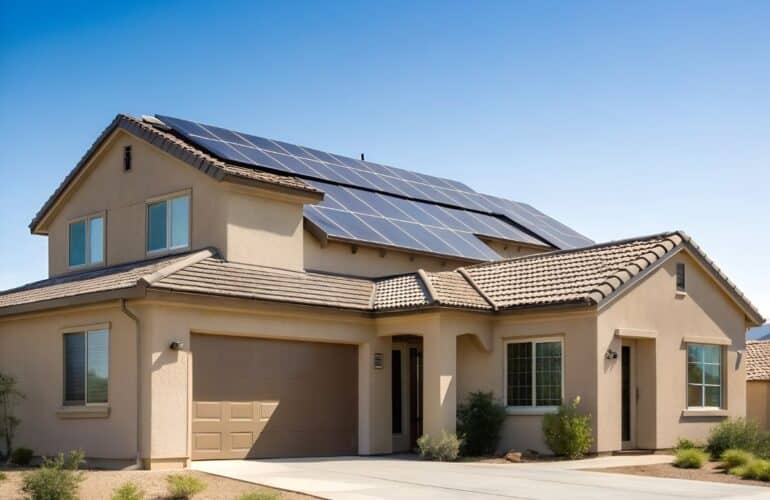
Homeowners planning a combined solar and battery project can learn more about solar panel installation in the Coachella Valley.
Have the Electrical Panel Inspected
A Powerwall installation should not be planned without evaluating the home’s electrical system.
Some properties have sufficient panel capacity and space for the proposed project. Others may require modifications.
Potential issues can include:
- Insufficient breaker space
- Older electrical equipment
- Panel condition
- Service capacity
- Busbar limitations
- Grounding and bonding issues
- Existing solar connections
- Multiple subpanels
- Future EV charging loads
An experienced installer should identify these issues during the planning stage rather than discovering major electrical problems after the project begins.
JJ Energy provides electrical system upgrades for homeowners throughout Palm Desert and the Coachella Valley.
Consider Palm Desert Heat When Choosing the Installation Location
Battery location deserves careful consideration in the desert.
Powerwall 3 is designed for indoor and outdoor installation, but equipment placement should still be evaluated carefully.
Tesla’s published Powerwall 3 specifications list an operating temperature range from -4°F to 122°F and state that performance may be reduced at temperatures above 104°F.
That makes placement especially relevant in Palm Desert, where summer temperatures can be extreme.
A qualified installer should consider:
- Direct afternoon sunlight
- Ambient temperature
- Garage temperatures
- Required equipment clearances
- Wall construction
- Vehicle traffic
- Potential physical impact
- Water exposure
- Accessibility
- Local code requirements
The easiest wall to reach is not automatically the best location for the battery.
The installer should choose a location that meets Tesla requirements, electrical requirements, local codes, and the physical conditions of the property.
Ask About Whole-Home Backup vs Essential Loads
Not every homeowner needs every circuit backed up during an outage.
Essential-load backup may prioritize:
- Air conditioning
- Refrigerators
- Lighting
- Internet
- Selected outlets
- Security equipment
- Garage door operation
- Medical equipment
Whole-home backup may provide greater flexibility, but it also requires careful planning around peak electrical demand.
Large loads can quickly consume stored battery energy.
The installer should explain exactly what will remain powered during an outage rather than simply using phrases such as “whole-home backup” without defining the system’s practical limits.
Ask What Happens During a Power Outage
Before buying Powerwall, ask the installer to explain exactly how the system operates when utility power fails.
The discussion should cover:
- How the home disconnects from the utility grid
- Which circuits remain powered
- How solar behaves during the outage
- Whether solar can recharge the Powerwall
- What happens when the battery reaches its reserve level
- How the system reconnects when utility power returns
- Which large loads may need to be limited
A homeowner should understand the backup strategy before installation, not after experiencing the first outage.
Ask Which Tesla Backup Equipment Will Be Used
Powerwall installation includes more than the battery itself.
Depending on the system design and utility requirements, Tesla systems may use equipment such as Backup Gateway 2, Backup Switch, or Gateway 3 to manage grid connection and backup operation.
The installer should explain which configuration is being proposed and why it is appropriate for your property.
Homeowners do not need to become electrical engineers, but they should understand the basic architecture of the proposed system.
The proposal should clearly identify major components rather than simply state “Tesla battery installation.”
Make Sure Permits and Utility Requirements Are Included
A professional Powerwall installation should account for local building and electrical requirements as well as utility interconnection procedures when applicable.
Ask who is responsible for:
- Preparing plans
- Submitting permit applications
- Responding to plan-check corrections
- Scheduling inspections
- Coordinating utility requirements
- Submitting interconnection documents
- Obtaining final approval
The homeowner should understand which responsibilities are included in the contract and whether additional fees could arise.
Local experience can be valuable because permitting procedures and utility requirements may vary by jurisdiction and project type.
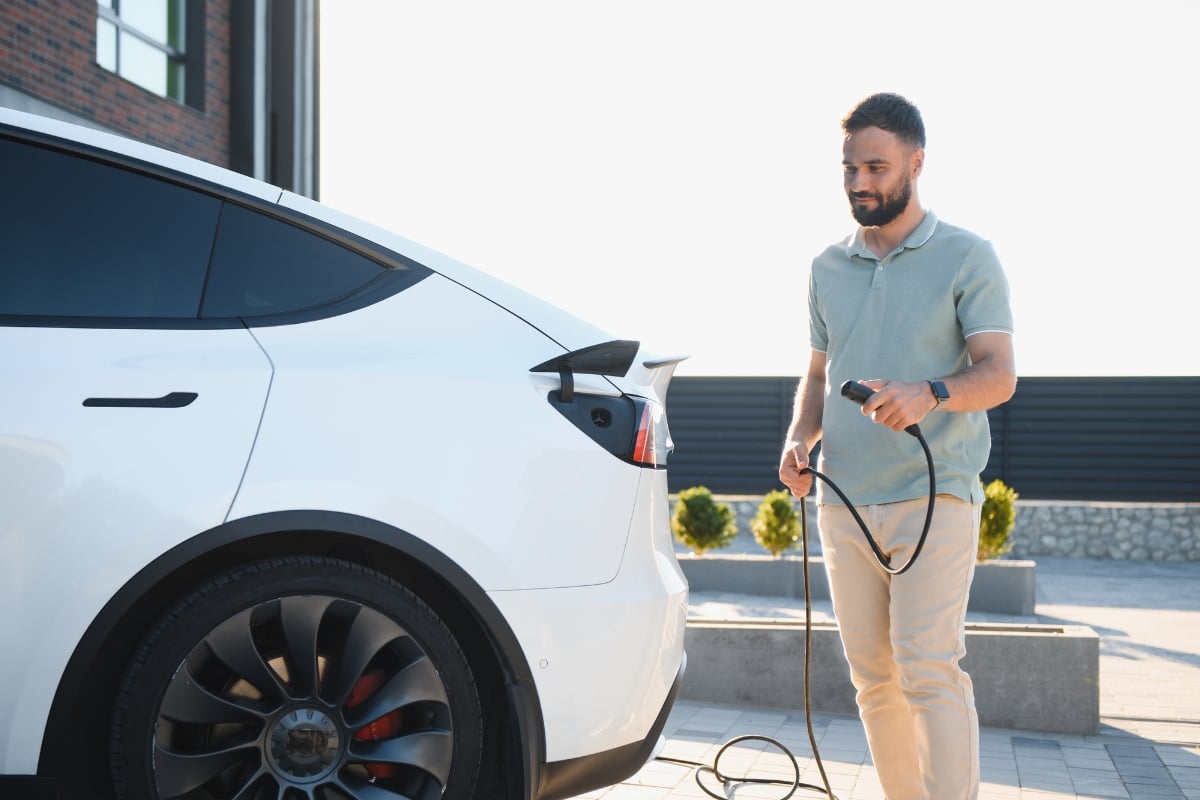
Ask About Future EV Charger Installation
A homeowner planning to purchase an electric vehicle should mention that before installing Powerwall.
An EV charger can represent a significant new electrical load.
Even if the charger will not normally operate from battery backup, the installer should understand the home’s future electrical plans.
Planning Powerwall, solar, panel capacity, and EV charging together may prevent unnecessary electrical changes later.
JJ Energy provides EV charger installation throughout Palm Desert and the Coachella Valley.
Ask Whether Load Management Is Appropriate
Load management can help homeowners use available electrical capacity more intelligently.
Instead of designing a system around every large appliance operating simultaneously, certain equipment can be controlled or prioritized.
For example, during an outage a homeowner may prefer to prioritize:
- Air conditioning
- Refrigeration
- Lighting
- Internet
while temporarily limiting:
- EV charging
- Pool heating
- Electric dryers
- Other nonessential high-demand loads
The installer should explain whether load management is useful for the property and how it affects the proposed backup design.
Review the Installation Layout Before Work Begins
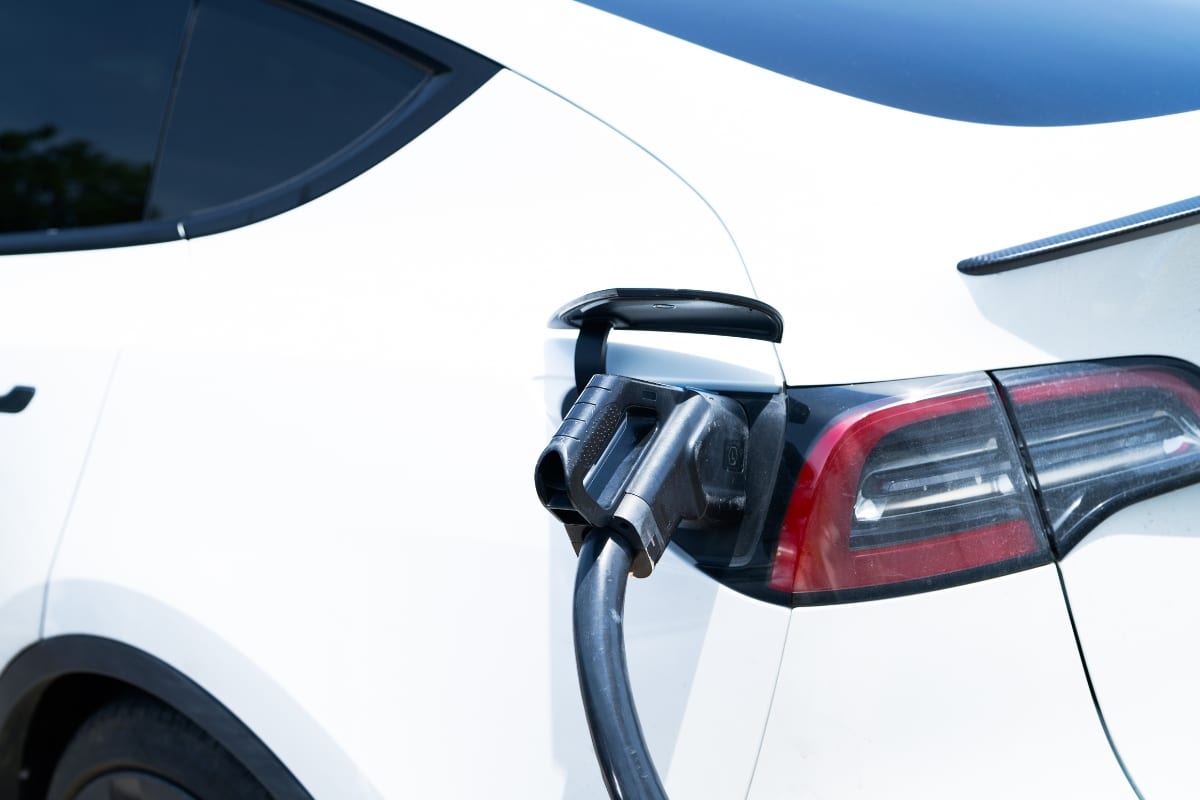
Ask the contractor where every major component will be installed before approving the project.
Review locations for:
- Powerwall units
- Gateway or backup equipment
- Disconnects
- Conduit
- Subpanels
- Electrical panel modifications
- Required safety equipment
A technically correct installation can still be unattractive if conduit and equipment are placed without considering the appearance of the property.
A professional installer should balance code compliance, serviceability, performance, and clean workmanship.
Look at Completed Powerwall Installations
Photos of completed installations can reveal a great deal about a contractor’s workmanship.
Look for:
- Straight conduit runs
- Organized equipment placement
- Clean wall penetrations
- Properly secured equipment
- Logical component spacing
- Professional labeling
- Attention to the surrounding property
Ask whether the company can show projects similar to yours.
For example, a homeowner with an existing solar system and multiple electrical panels may benefit from seeing a completed project involving similar conditions rather than a simple standalone battery installation.
Compare the Complete Proposal, Not Just the Price
Two Powerwall quotes can look similar while including very different scopes of work.
A detailed proposal should identify:
- Number and type of Powerwall units
- Backup equipment
- Electrical modifications
- Panel or subpanel work
- Permitting
- Utility coordination
- Installation location
- Monitoring setup
- Commissioning
- Warranty information
- Any excluded work
One contractor may initially appear less expensive because electrical upgrades, permitting, trenching, panel work, or other required components have not been included.
Comparing complete scopes is more useful than comparing only the bottom-line price.
Ask About Warranty and Post-Installation Support
The relationship with the installer should not necessarily end when the battery turns on.
Ask what happens if:
- The system stops communicating
- The Tesla app does not display correctly
- Backup does not operate as expected
- A breaker repeatedly trips
- Solar production is not appearing correctly
- The homeowner changes internet equipment
- The system requires service
Also ask which warranty applies to the equipment and which workmanship warranty is provided by the installer.
The contractor should explain who the homeowner contacts first when support is needed.
Be Careful With Unrealistic Backup Claims
Be cautious when an installer promises that a specific number of batteries will run everything in the home for a certain number of days without reviewing actual electricity consumption.
Battery runtime changes depending on the loads being used.
A Palm Desert home operating central air conditioning during extreme summer heat may consume stored energy very differently from a home using only refrigeration, lights, and internet equipment.
Solar production also changes with weather, season, dust, shading, panel orientation, and other conditions.
A responsible installer should discuss expected performance and limitations rather than guarantee unrealistic backup duration.
Questions to Ask a Tesla Powerwall Installer
Before choosing a contractor, consider asking:
- Are you currently authorized to install Tesla Powerwall?
- How many Powerwall 3 systems have you installed?
- Can I see examples of your completed installations?
- How many Powerwalls do you recommend for my home and why?
- Can the proposed system operate my air conditioner?
- Which circuits will operate during an outage?
- Can my existing solar system be integrated?
- Does my electrical panel need modification?
- Where will the Powerwall be installed?
- How will Palm Desert heat affect equipment placement?
- Which backup equipment will be used?
- Are permits included?
- Will you handle utility coordination?
- What warranties are included?
- Who provides service after installation?
- Can the system be expanded later?
- How will a future EV charger affect the system?
A knowledgeable contractor should be able to answer these questions clearly and explain why the proposed design makes sense for your specific home.
Choosing a Tesla Powerwall Installer in Palm Desert
The best Powerwall installation is not simply the one with the most batteries or the lowest price.
It is a system designed around the property.
For Palm Desert homeowners, that means evaluating cooling requirements, solar production, electrical capacity, existing equipment, backup priorities, future EV charging, battery location, desert temperatures, and the amount of energy the household actually uses.
The installer should explain the tradeoffs clearly and provide a design that matches the homeowner’s goals.
Local electrical and solar experience can also be valuable when the project requires panel upgrades, solar integration, permitting, utility coordination, or other improvements beyond the battery itself.
Tesla Powerwall Installation With JJ Energy
JJ Energy Inc provides backup power, solar, electrical upgrade, and EV charging services from its Palm Desert location and serves communities throughout the Coachella Valley.
JJ Energy’s project portfolio includes a dual Tesla Powerwall 3 installation designed for whole-home backup, including solar integration and main-panel and subpanel electrical work.
Homeowners considering battery storage can have their existing solar system, electrical panel, household loads, cooling requirements, backup priorities, and future energy plans evaluated before selecting the final system.
JJ Energy serves Cathedral City, Coachella, Desert Hot Springs, Indian Wells, Indio, La Quinta, Palm Desert, Palm Springs, Rancho Mirage, Yucca Valley, and surrounding communities.
Call (760) 552-3772 or request a free quote to discuss Tesla Powerwall installation and backup power options for your home.
FAQs
1. How do I find a Tesla Powerwall installer in Palm Desert?
Start by looking for Tesla Certified Installers serving your ZIP code and then compare their local Powerwall experience, California contractor licensing, electrical expertise, completed projects, permitting experience, warranties, and customer support. Tesla provides an official Certified Installer search that homeowners can use to locate providers.
2. Does Tesla require Powerwall to be installed by a Certified Installer?
Tesla states in its Powerwall installation documentation that installation should only be performed by a Tesla Certified Installer. Homeowners should verify the installer’s current status before signing a contract.
3. How many Tesla Powerwalls do I need for my Palm Desert home?
The number depends on household electricity use, air conditioning, desired backup duration, peak electrical demand, solar production, and which appliances you want available during an outage. A load analysis should be completed before deciding how many batteries to install.
4. Can a Tesla Powerwall run air conditioning in Palm Desert?
A properly designed Powerwall system may support compatible air conditioning equipment, but the contractor must evaluate compressor starting demand, normal operating demand, battery output, other household loads, and the number of batteries in the system.
5. Can Tesla Powerwall be added to an existing solar system?
Many existing solar installations can be paired with battery storage, but compatibility should be evaluated first. The installer should review the inverter, electrical panel, existing solar configuration, utility interconnection, available installation space, and backup goals.
6. Where should a Tesla Powerwall be installed in Palm Desert?
The appropriate location depends on Tesla installation requirements, local codes, available wall space, electrical equipment location, accessibility, direct sun exposure, potential physical impact, and surrounding temperatures. Palm Desert’s summer heat makes equipment placement an important part of system design.
7. Will I need an electrical panel upgrade before installing Powerwall?
Not every home requires a panel upgrade. The installer should inspect the existing panel for capacity, breaker space, condition, bus ratings, grounding, solar connections, and compatibility with the proposed battery system before determining whether modifications are necessary.
8. Can Powerwall provide whole-home backup?
Powerwall can be incorporated into whole-home backup designs, but actual performance depends on the number of batteries, household loads, inverter output, solar production, and how much equipment operates simultaneously. Large loads such as air conditioning, pool equipment, electric cooking, and EV charging should be considered during system design.
9. Should I plan my EV charger and Powerwall installation together?
Yes, particularly if you expect to add an EV charger soon. EV charging can create a significant electrical load. Evaluating the battery, solar system, electrical panel, service capacity, and EV charger together can make the home’s electrical system easier to plan for future needs.
10. Who installs Tesla Powerwall systems in the Coachella Valley?
JJ Energy Inc provides battery backup, solar, electrical upgrades, and related energy services throughout Palm Desert and the Coachella Valley, and its portfolio includes a dual Tesla Powerwall 3 installation. Homeowners can call (760) 552-3772 to schedule an evaluation and discuss their backup power needs.