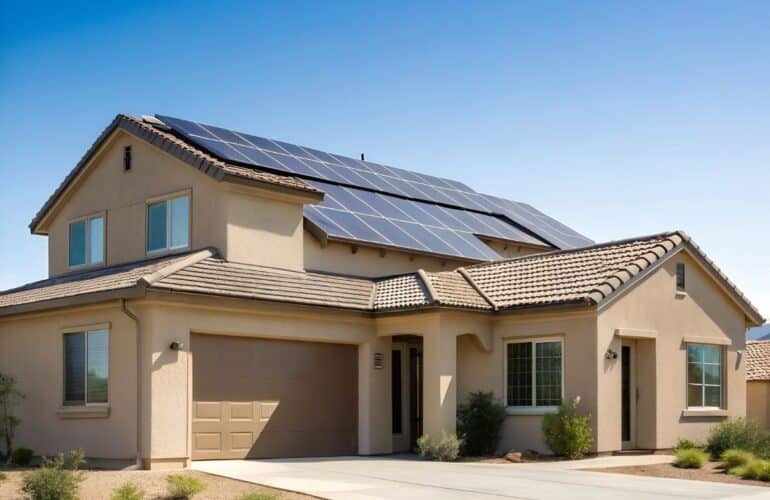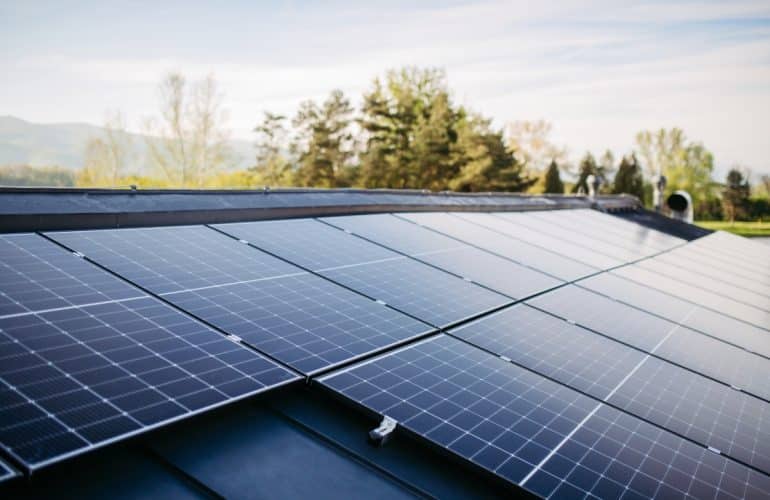
Once homeowners decide to go solar, one of the first practical questions is timing. How long does solar panel installation take?
The installation itself is usually faster than most people expect. For many residential homes, the hands-on work on the roof takes about one to three days. The full process, from your first consultation to the day your system is turned on, takes longer because it includes design, permitting, inspection, and utility approval.
For homeowners in Palm Desert and throughout the Coachella Valley, knowing what happens at each stage makes it easier to plan and set realistic expectations. Here is a step-by-step look at the typical solar installation timeline.
The Short Answer
Solar installation happens in two main phases.
- Installation day. The physical installation of panels, mounting, wiring, and equipment usually takes about one to three days for a typical home.
- The full project. From consultation to activation, the complete process often takes several weeks to a few months, depending on permitting, inspection scheduling, and utility approval.
Most of the timeline is paperwork and approvals rather than construction. A well-organized installer can help keep each step moving.
Step 1 Is the Initial Consultation
The process starts with a consultation. Your installer reviews your goals, your electricity usage, and your home.
During this stage, you can expect a conversation about the following.
- Your electricity bills and annual usage
- Your roof’s size, direction, and condition
- Shading from trees or nearby structures
- Future plans, such as an EV or a pool
- Interest in battery storage or backup power
This step can often be completed in a single meeting. Gathering about 12 months of electric bills ahead of time helps speed it up. JJ Energy’s guide on how to know if your home is ready for solar installation explains what to review before this step.
Step 2 Is the Site Evaluation
Next, the installer evaluates your property in more detail. This usually includes a closer look at your roof structure, available mounting space, and electrical panel.
The electrical panel is especially important. Some homes need an electrical system upgrade before solar can be connected, which can add time to the project. Identifying this early helps prevent delays later.
Step 3 Is System Design and Proposal
Using the information from your consultation and site evaluation, the installer designs a system for your home. This includes the number of panels, equipment selection, panel layout, and expected production.
You will typically receive a proposal outlining the system, pricing, and estimated performance. Design and proposal turnaround often takes a few days to a couple of weeks. Once you approve the design and sign the agreement, the project moves into permitting.
To get a sense of system size before this step, see JJ Energy’s guide on how many solar panels you need for your home.
Step 4 Is Permitting
Before installation can begin, most solar projects require approval from your local building department. Permit applications typically include system plans, equipment details, and electrical information.
Permitting timelines vary by city. Many California jurisdictions now offer online or automated permitting for qualifying residential solar systems, which can significantly shorten this step. More complex projects, such as those that include battery storage or a panel upgrade, may take longer to review.
If your home is part of a homeowners association, HOA review may also be required, which can add time depending on the association’s process.
Step 5 Is Installation Day
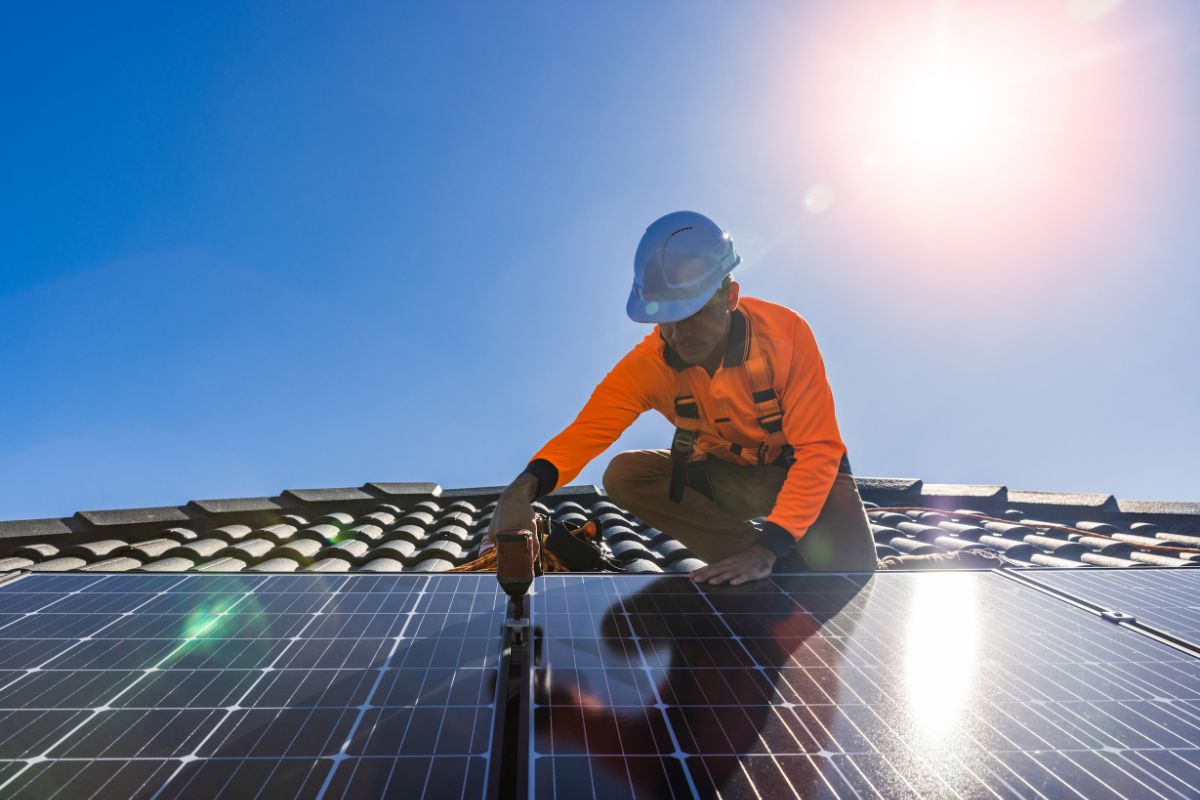
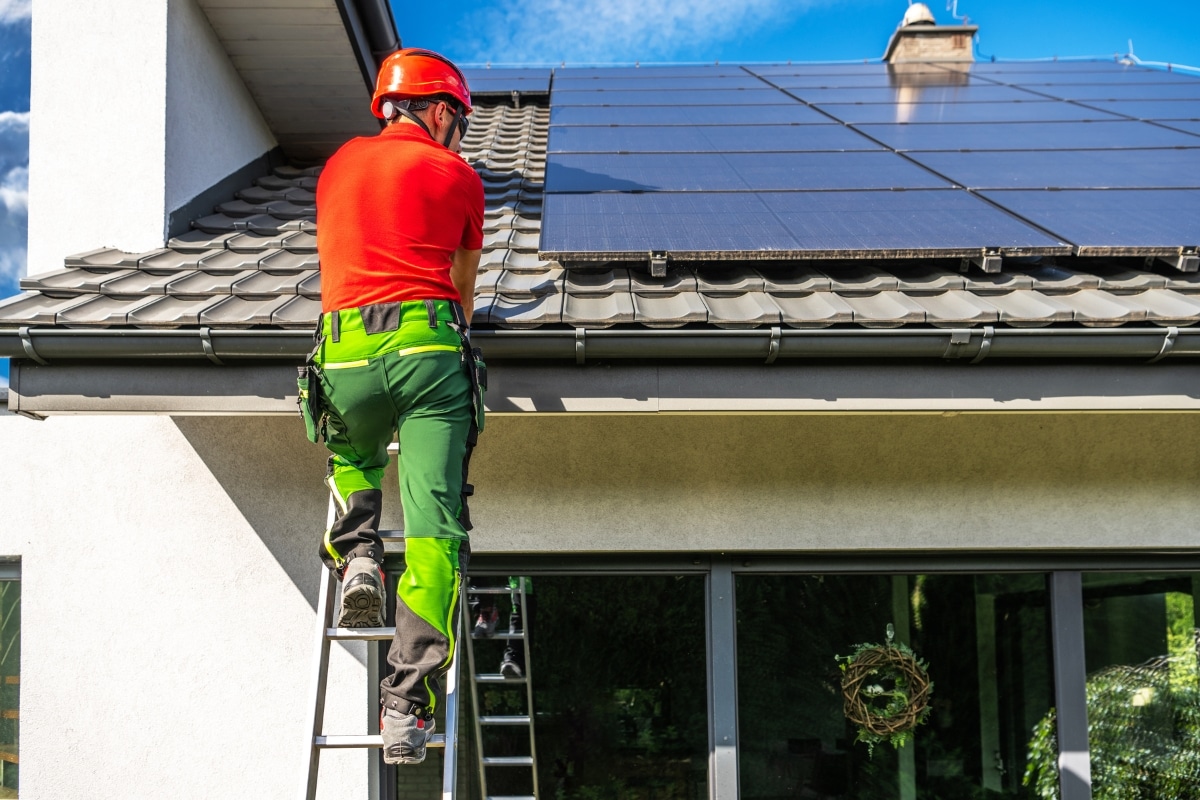
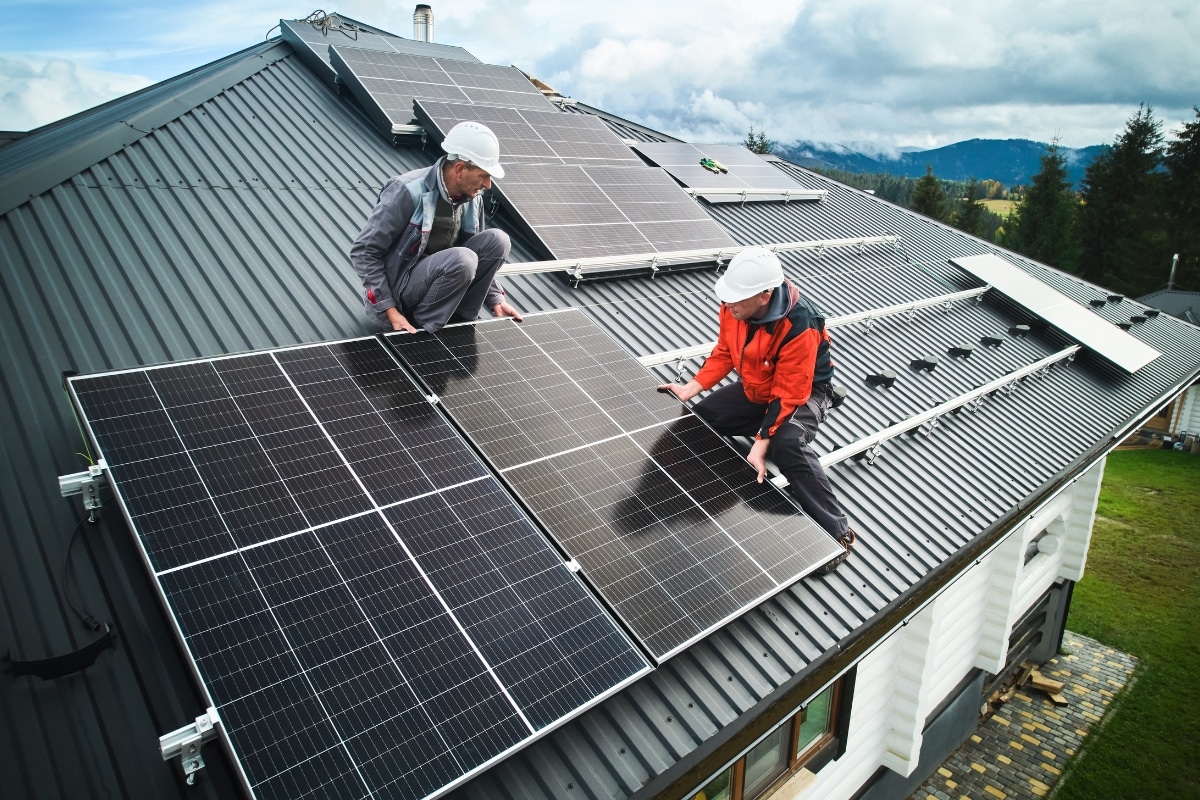
This is the step most people picture when they think about going solar. For a typical home, installation usually takes about one to three days.
Installation generally includes the following work.
- Installing roof attachments and racking
- Mounting the solar panels
- Running wiring and conduit
- Installing the inverter and related equipment
- Connecting the system to your electrical panel
- Installing a home battery, if included
Larger systems, complex roof designs, battery installations, or electrical upgrades can extend installation beyond a few days. Summer heat in the Coachella Valley can also affect scheduling, since crews often plan roof work for cooler parts of the day.
Step 6 Is Inspection
After installation, the local building department inspects the system to confirm it meets code and matches the approved plans.
Inspection timing depends on the jurisdiction’s schedule. In many cases, it can be completed within a few days to a couple of weeks after installation. If the inspector requests any corrections, those must be addressed before the project can move forward.
Step 7 Is Utility Approval and Activation
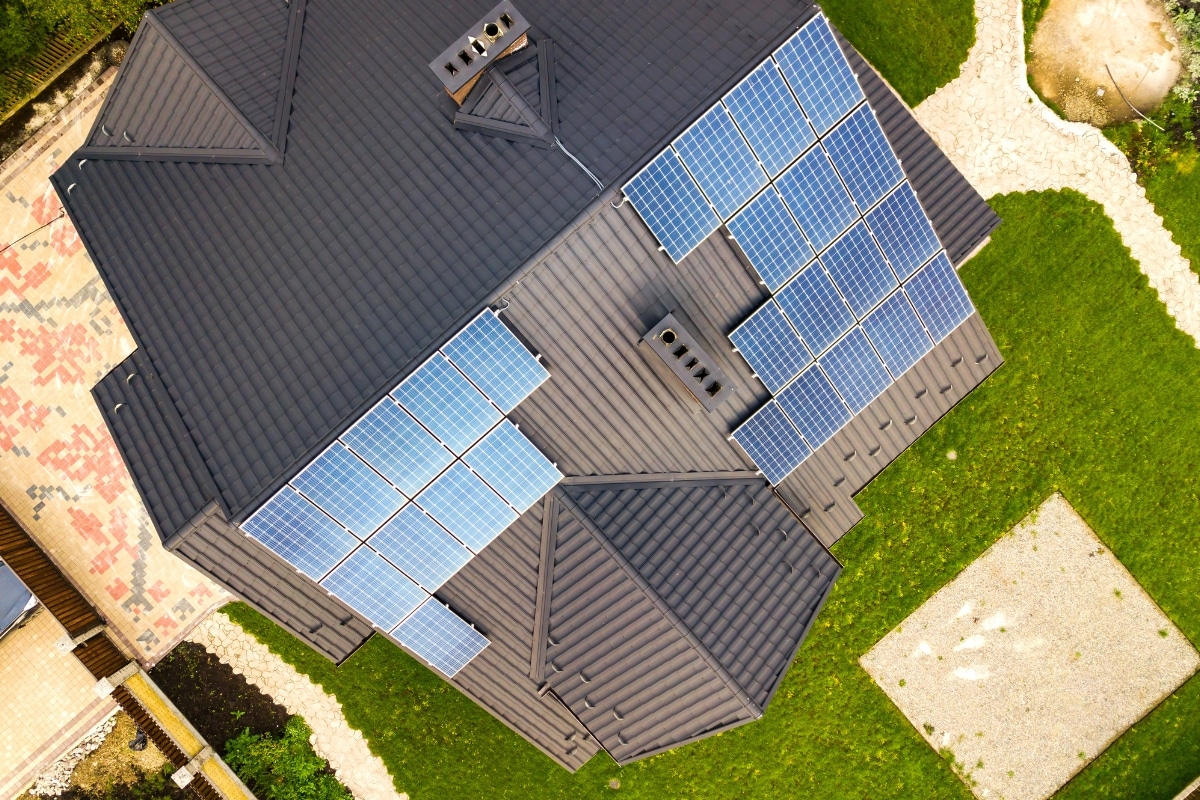
The final step is approval from your utility, often called permission to operate. Depending on where you live in the Coachella Valley, your home may be served by Southern California Edison or the Imperial Irrigation District, and each has its own interconnection process.
Once the utility approves the connection, your system can be turned on and start producing power for your home. Utility approval can take anywhere from several days to a few weeks.
It is important not to turn on your system before receiving utility approval. Your installer will confirm when it is safe to activate.
What Can Delay a Solar Installation?
Several factors can extend the overall timeline. Common causes of delays include the following.
- Electrical panel upgrades
- Roof repairs or replacement needed before installation
- Permit review backlogs
- HOA approval requirements
- Inspection scheduling
- Utility interconnection review
- Equipment availability
- Design changes after the proposal is approved
Many delays can be reduced by addressing roof and electrical concerns early and choosing an installer who manages permitting and utility paperwork for you.
How to Help Your Solar Project Move Faster
Homeowners can help keep the process on track with a few simple steps.
- Have about 12 months of electric bills ready
- Share future plans, such as an EV or battery, before design
- Address roof concerns before installation is scheduled
- Start HOA approval early if it applies
- Respond quickly to document or signature requests
- Make sure installers have clear access to your roof, panel, and equipment areas
Does Adding a Battery Change the Timeline?
Adding battery storage can add some time to the project. Battery systems may require additional design work, permitting review, and installation time, and some projects need electrical upgrades to support them.
Planning the battery as part of the original solar project is usually simpler than adding it later. Learn more about JJ Energy’s backup power systems and how to choose a Tesla Powerwall installer in Palm Desert.
Solar Panel Installation in the Coachella Valley
JJ Energy Inc. provides solar panel installation for homes throughout Palm Desert and the Coachella Valley, including Palm Springs, Rancho Mirage, Indian Wells, La Quinta, Indio, Cathedral City, Coachella, and Desert Hot Springs.
From consultation and design to permitting, installation, and utility coordination, JJ Energy helps guide your project through each step. Services also include EV charging solutions, battery storage, and electrical upgrades.
To start your solar project, call (760) 552-3772 or get a free quote online.
Frequently Asked Questions
1. How long does solar panel installation take?
For a typical home, the physical installation usually takes about one to three days. The full process, including design, permitting, inspection, and utility approval, often takes several weeks to a few months.
2. Why does the whole solar process take longer than installation?
Most of the timeline involves approvals. Permitting, inspection, and utility interconnection each have their own review process before your system can be turned on.
3. How long does a solar permit take?
It varies by city. Many California jurisdictions offer online or automated permitting for qualifying residential systems, which can be fast, while more complex projects may take longer.
4. Can I use my solar system right after installation?
No. Your system must pass inspection and receive utility approval before it can be turned on. Your installer will tell you when it is safe to activate.
5. What is permission to operate?
Permission to operate is the utility’s approval to connect your solar system to the grid. It is the final step before your system can start producing power for your home.
6. Does adding a battery make installation take longer?
It can. Battery systems may need additional design, permitting, and installation time, especially if electrical upgrades are required.
7. Do I need to be home during installation?
It depends on the project. Installers typically need access to your roof, electrical panel, and equipment areas. Your installer will let you know if you need to be present.
8. Can solar be installed during the summer in the Coachella Valley?
Yes. Installations happen year-round, though crews often schedule roof work for cooler parts of the day during extreme heat.
9. What can delay a solar installation?
Common delays include electrical panel upgrades, roof repairs, permit backlogs, HOA approvals, inspection scheduling, and utility interconnection review.
10. Who installs solar panels in Palm Desert?
JJ Energy Inc. installs solar panels throughout Palm Desert and the Coachella Valley. Call (760) 552-3772 or contact JJ Energy to discuss your project.