A solar system is one of the few home upgrades expected to keep working for decades. That long service life is a big part of what makes solar appealing, but it also raises a fair question before signing any contract. How long will the panels actually keep producing power?
Quality solar panels generally deliver around 25 to 30 years of productive service, and many keep generating electricity well past that mark. Panels rarely quit all at once. They lose a small amount of output each year, so an older panel is usually a slightly weaker version of what it was when new.
Desert homes add a few wrinkles to that picture. Intense summer heat, wind-blown dust, and long cooling seasons all play a role in how a system ages in the Coachella Valley. Knowing what to expect at each stage of a system’s life makes it easier to choose the right equipment and protect your investment.
The Short Answer on Solar Panel Lifespan
Most manufacturers back their panels with a performance warranty of 25 years, and some now go further. That warranty period is often used as shorthand for a panel’s lifespan, but it works more like a minimum expectation than an end date.
A panel that has passed its warranty period can still be a productive part of a home’s energy system. What changes is the amount of electricity it produces, not whether it works.
What Happens to Solar Panels Year by Year
Looking at the life of a solar system in stages helps set realistic expectations.
- The first year. Many panels experience a small, one-time drop in output shortly after they are first exposed to sunlight. This is normal and is accounted for in manufacturer specifications.
- Years 2 through 10. Output declines slowly and steadily. Most homeowners will not notice the change without comparing monitoring data year to year.
- Years 10 through 20. Panels continue producing reliably, but this is often when other system components, especially traditional string inverters, may need service or replacement.
- Years 20 through 30. Panels typically still produce the large majority of their original output. Many owners keep their systems running through this stage without major changes.
- Beyond 30 years. Panels may keep generating useful electricity, and the decision becomes whether the remaining output still meets the household’s needs or whether newer, more efficient panels would be a better use of the roof.
How Much Output Do Panels Lose Over Time?
The gradual loss of output is called degradation, and it is measured as a percentage per year.
Research from the National Renewable Energy Laboratory places the median degradation rate for crystalline silicon panels at about 0.5% per year. Higher-quality panels often degrade more slowly, while some budget panels degrade faster.
Put into real numbers, a panel losing 0.5% per year would still produce roughly 87 to 88 percent of its original rated output after 25 years. A 400-watt panel would still be capable of around 350 watts under standard test conditions.
That is why the degradation rate listed on a panel’s datasheet is worth comparing when reviewing solar quotes. Small differences add up across two or three decades.
Why Desert Climates Are Harder on Solar Equipment
The Coachella Valley produces some of the strongest solar output in California, but the same conditions that create abundant sunshine also put extra stress on equipment.
Heat lowers real-time output. Panels convert sunlight less efficiently as they get hotter. Each panel has a temperature coefficient that shows how much output drops for every degree above standard test conditions. On a summer afternoon in Palm Desert or Indio, a panel with a better temperature coefficient holds its production more effectively.
Temperature swings add wear. Panel materials expand in the heat and contract as they cool. Over many years, that repeated movement can contribute to tiny cracks and gradual loss of performance. Studies have found that systems in hot climates tend to degrade somewhat faster than systems in cooler regions.
Dust blocks sunlight. Wind and dust storms can leave a layer of grime on panels that reduces production until it is cleaned off.
None of this makes solar a poor choice for desert homeowners. It simply means equipment choice and installation quality carry more weight here than they might in a milder climate.
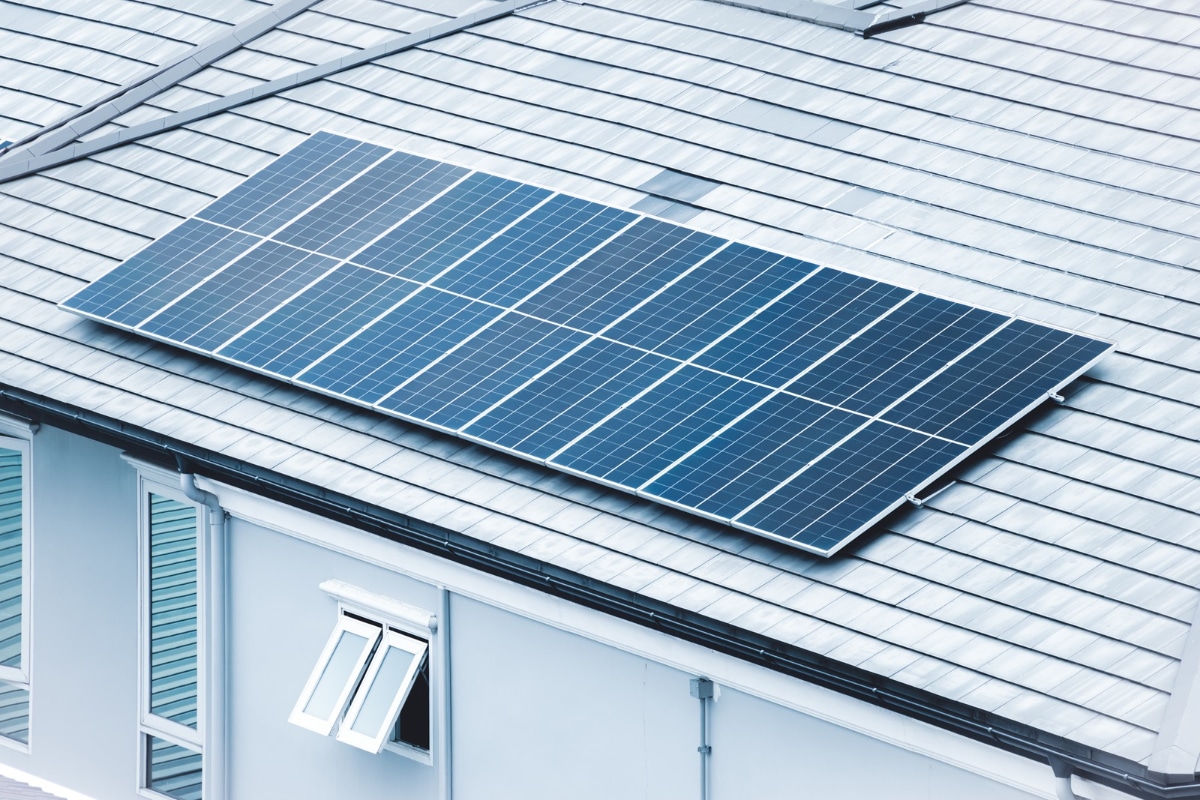
The Panels Usually Outlast the Rest of the System
Solar panels have no moving parts, and outright panel failure is uncommon. A large National Renewable Energy Laboratory study found a median failure rate of about 5 panels per 10,000 each year.
The supporting equipment is a different story. Each part of a solar system has its own expected service life.
- String inverters often need replacement at least once during the life of the panels.
- Microinverters are mounted at each panel and commonly carry longer warranties than string inverters.
- Home batteries carry their own warranties, which are usually shorter than panel performance warranties.
- Racking and mounting hardware is built to last for decades when installed correctly.
- Monitoring equipment and connectors may need occasional repair over the life of the system.
When a system’s production drops unexpectedly, the panels are rarely the first suspect. Planning for an eventual inverter replacement is a normal part of owning solar.
Homeowners adding storage can learn more about backup power systems and how batteries pair with solar.
Installation Choices That Affect Long-Term Performance
Two identical panels can age very differently depending on how they were installed.
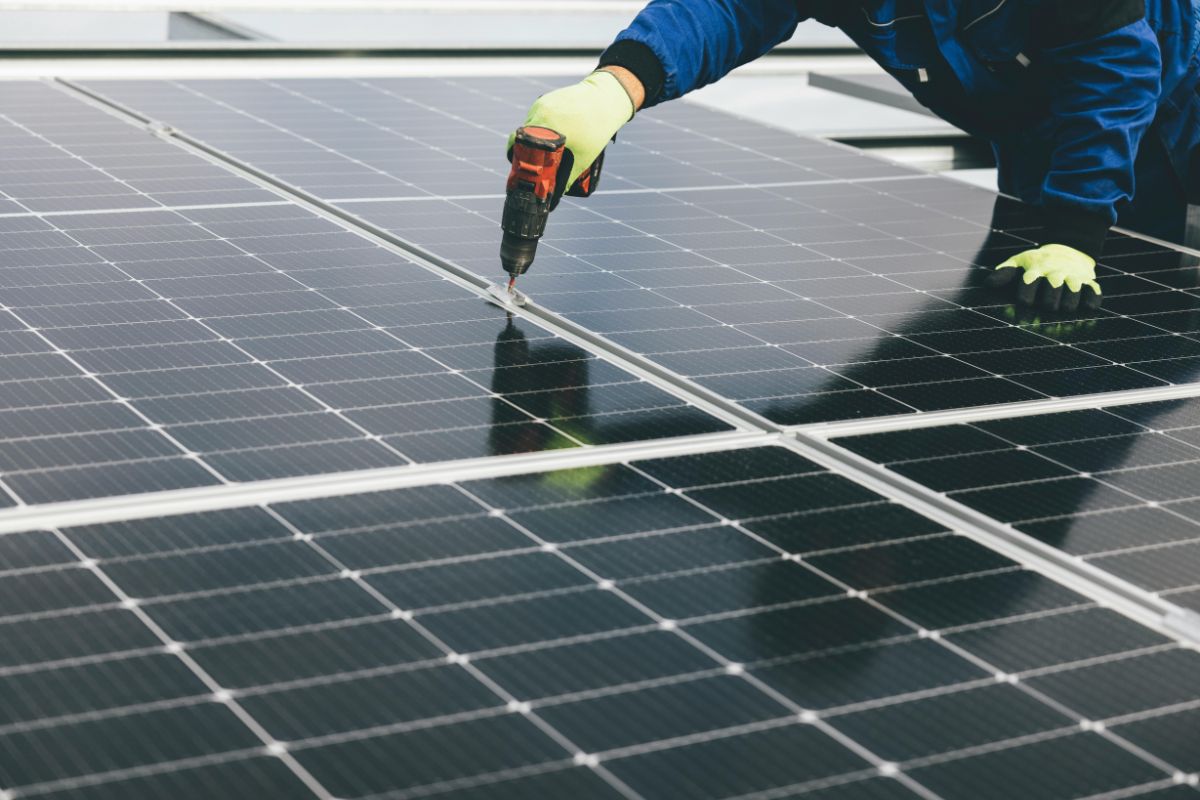
Good installation practices that support a longer system life include the following.
- Mounting panels with space beneath them so air can circulate and carry heat away
- Sealing every roof attachment to prevent leaks
- Using racking rated for local wind conditions
- Locating inverters and other heat-sensitive equipment out of direct afternoon sun when possible
- Sizing wiring and electrical components correctly
- Meeting all applicable electrical and building codes
Shortcuts during installation tend to show up years later as leaks, loose hardware, or underperforming equipment. Learn what to look for in an installer in JJ Energy’s guide to choosing the right solar company in California.
What to Check in a Solar Warranty
Warranty coverage tells you a lot about what a manufacturer and installer expect from their equipment. When comparing proposals, look for three separate warranties.
- The product warranty covers manufacturing defects in the panel itself.
- The performance warranty guarantees the panel will still produce a stated percentage of its rated output after a set number of years.
- The workmanship warranty comes from the installer and covers the quality of the installation.
Ask how long each warranty lasts, what it excludes, and who handles claims if something goes wrong. A strong panel warranty is less useful if the installation itself is poorly covered.
Simple Habits That Help a System Last
Solar systems are low maintenance, but they are not maintenance-free. A few routine habits go a long way.
- Check your monitoring app regularly and compare production month to month and year to year
- Schedule professional cleaning when dust buildup becomes heavy, rather than climbing onto the roof yourself
- Avoid pressure washers, abrasive brushes, and harsh cleaners on panel glass
- Keep trees and landscaping from shading the array
- Look for loose hardware, cracked glass, or discoloration from the ground
- Call your installer if you notice a sudden drop in production or an inverter error
A slow decline in output over many years is expected. A sharp drop from one month to the next usually points to a problem worth having inspected.
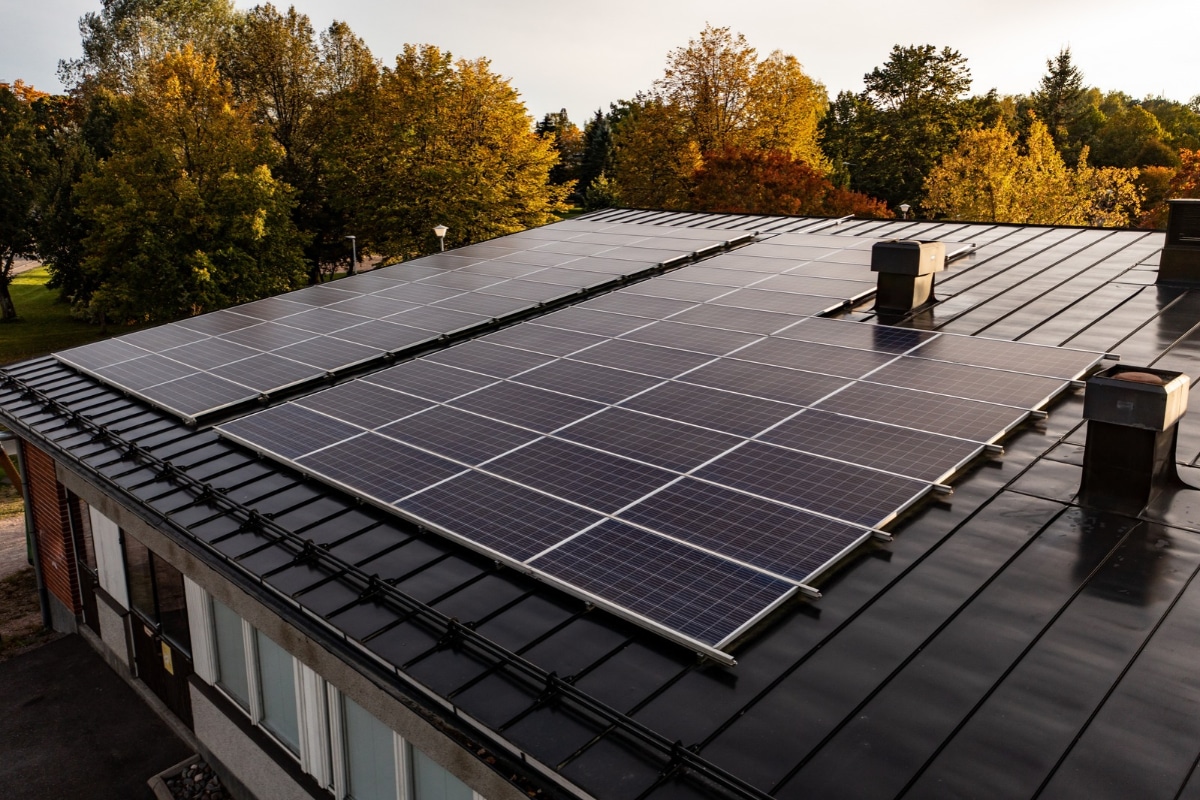
Your Roof Should Last as Long as Your Panels
Because panels can stay in service for 25 years or more, the roof underneath them needs to be ready for that same stretch of time.
If a roof will need replacement in the next several years, installing solar first can lead to an extra expense later. The panels would need to be removed and reinstalled so the roofing work can be completed.
Before going solar, it helps to know the age and condition of your roof. If replacement is on the horizon, completing it before installation is often the more cost-effective path. JJ Energy’s article on whether your home is ready for solar installation covers roof condition and other factors to review first.
Deciding What to Do With an Aging System
When a solar system reaches the later part of its life, homeowners usually choose between keeping it running and upgrading.
Keeping the system often makes sense when production is still meeting household needs and the inverter and other components are in good working order.
Upgrading may make more sense when electricity use has grown, for example after adding an electric vehicle, a pool, or new appliances, and newer panels could produce noticeably more power from the same roof space. Homeowners planning EV charging can explore EV charging solutions alongside a solar upgrade.
Retired panels should not simply go in the trash. California has specific rules for handling and recycling solar panels, so removal should be handled by a qualified contractor.
Does a Long Lifespan Make Solar Worth It?
A system that produces power for 25 to 30 years or longer has a long runway to deliver value. In a region with hot summers, heavy air-conditioning use, and abundant sunshine, that long productive life is one of solar’s strongest selling points.
How much value a system delivers depends on its size, equipment quality, installation, electricity use, utility rates, and how long you plan to own the home. For a closer look at long-term value, read JJ Energy’s article on how solar can affect property value in Palm Desert.
Build a Solar System Designed to Last
JJ Energy Inc. designs and installs residential solar systems with desert conditions in mind, from equipment selection to mounting and electrical work.
The JJ Energy team serves homeowners across the Coachella Valley, including Palm Desert, Palm Springs, Rancho Mirage, Indian Wells, La Quinta, Indio, Cathedral City, Coachella, and Desert Hot Springs. Services also include electrical system upgrades for homes that need more capacity.
To talk through your project, call (760) 552-3772 or get a free quote online.
Frequently Asked Questions
1. What is the average lifespan of solar panels?
Quality solar panels typically provide around 25 to 30 years of productive service, and many continue generating electricity after that. Their output declines gradually rather than stopping suddenly.
2. Will my solar panels still work after the warranty ends?
In most cases, yes. The warranty period reflects a guaranteed level of performance, not the point where panels stop working. Many panels keep producing a large share of their original output beyond the warranty.
3. How fast do solar panels lose efficiency?
National Renewable Energy Laboratory research puts the median degradation rate at about 0.5% per year for crystalline silicon panels. Premium panels often degrade more slowly.
4. Do solar panels wear out faster in hot weather?
Hot climates can lead to somewhat faster degradation, and high temperatures also reduce output on the hottest days. Choosing panels with a strong temperature coefficient and installing them with good airflow helps offset these effects.
5. Which part of a solar system needs replacement first?
Inverters, particularly traditional string inverters, commonly need replacement before the panels do. Panels themselves rarely fail outright.
6. Is it normal for solar production to drop over time?
A small, gradual decline each year is normal. A sudden or significant drop is not, and it should be checked by your installer.
7. Does dust damage solar panels?
Dust usually does not damage panels, but heavy buildup can reduce production. Professional cleaning without abrasive tools or high-pressure water helps restore output safely.
8. Should I get a new roof before going solar?
If your roof is nearing the end of its life, replacing it before installation can help you avoid paying to remove and reinstall the panels later.
9. What should I do with solar panels at the end of their life?
You can keep them running as long as they meet your needs or upgrade to newer, more efficient panels. Retired panels should be removed and recycled properly under California rules.
10. Where can I get solar installed in the Coachella Valley?
JJ Energy Inc. installs residential solar throughout the Coachella Valley. Call (760) 552-3772 or reach out online to schedule a consultation.